
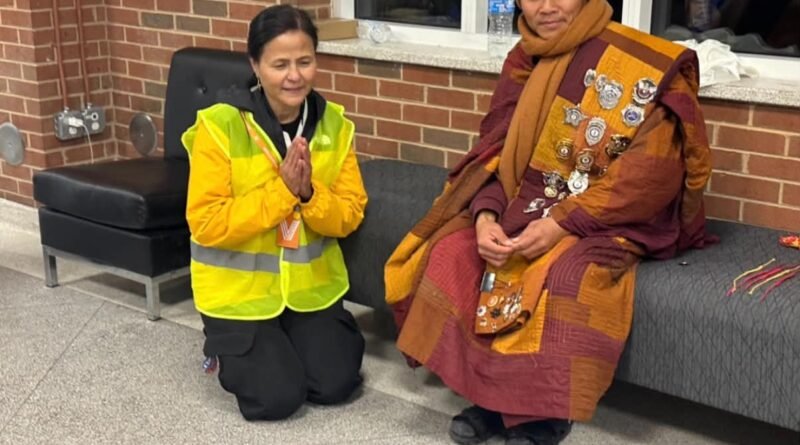
A Journey of Gratitude, Karma, and Compassion
By Roji Ghishing Tamang
Receiving the invitation to contribute to this journal gave me a wonderful opportunity to pause, reflect, and revisit an experience that has touched my heart and left a lasting impact on my life.
I began following the Walk for Peace from a distance, but through faith, karmic connections, and the blessings of the Dhamma, I eventually became part of the journey. I came hoping to offer support, but I received something far greater—a deeper appreciation of humility, compassion, gratitude, and the true meaning of peace.
I grew up in a family with a longstanding tradition of Nepal’s Himalayan Buddhism. My only brother chose to embrace the Theravada tradition and became a Buddhist monk at a very young age. Through his spiritual journey, I had the privilege of witnessing the values and practices of Theravada Buddhism firsthand, which deepened my appreciation for the universal teachings of love, kindness, mindfulness, and compassion. These are values our world desperately needs and that every human being deserves to experience.
When I learned about the Walk for Peace, I felt an immediate connection. I began following the monks’ journey with great interest and quietly hoped that I might find an opportunity to support their mission.
One day, I shared my thoughts about the Walk for Peace with my Dhamma friend, Noreen La. A few weeks later, I received information about one of the volunteers, Dr. Neeraj Bajracharya, from her. I was delighted to learn of this connection and immediately reached out to him by email. I expressed my interest in finding out what the Walk for Peace needed and how our center and community could contribute.
I believe deeply in karma. Sometimes, life brings people together in ways that seem far beyond coincidence. I felt that this was one of those meaningful connections. It was encouraging to see how people from different communities were coming together for a shared purpose.
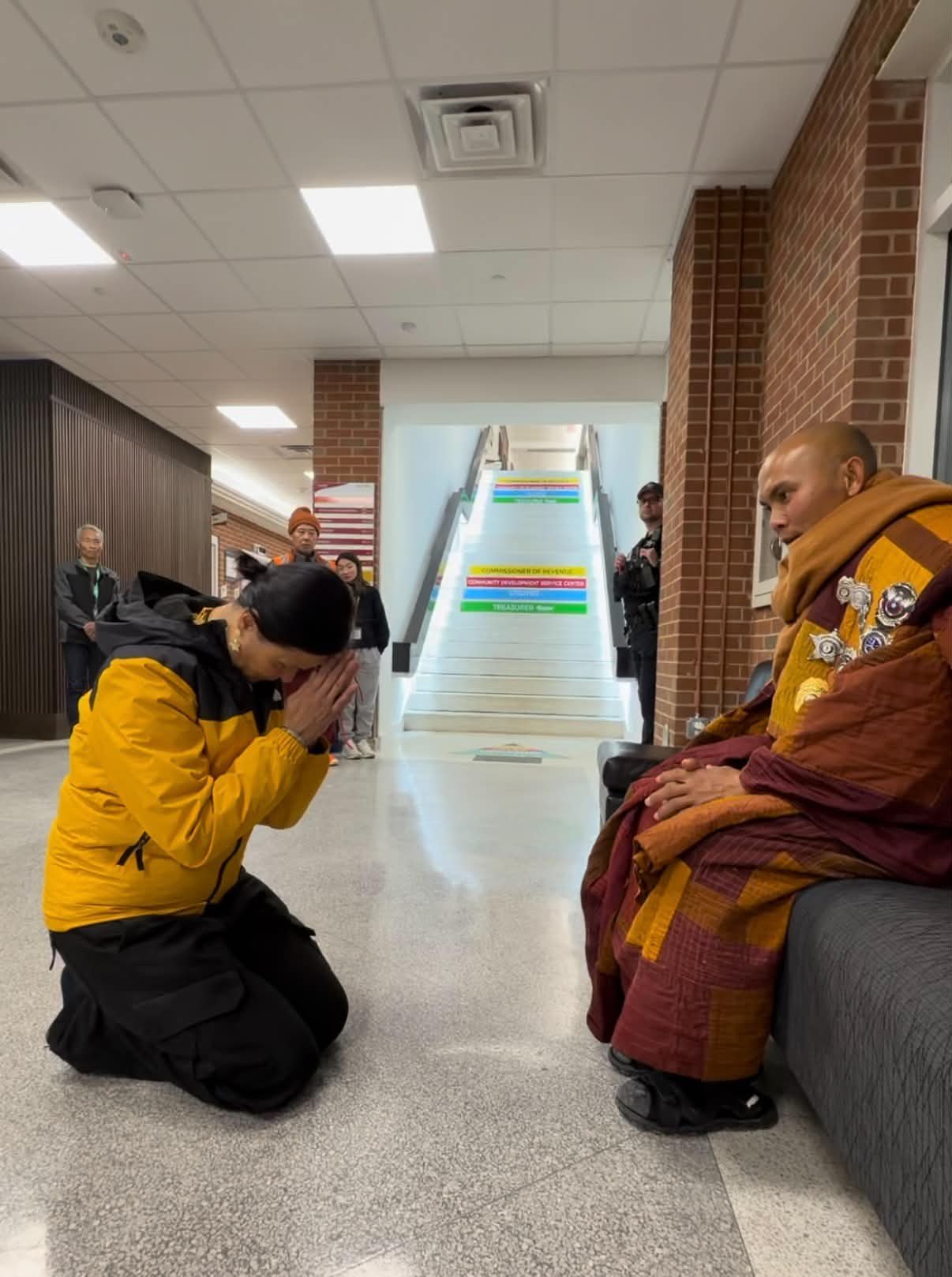
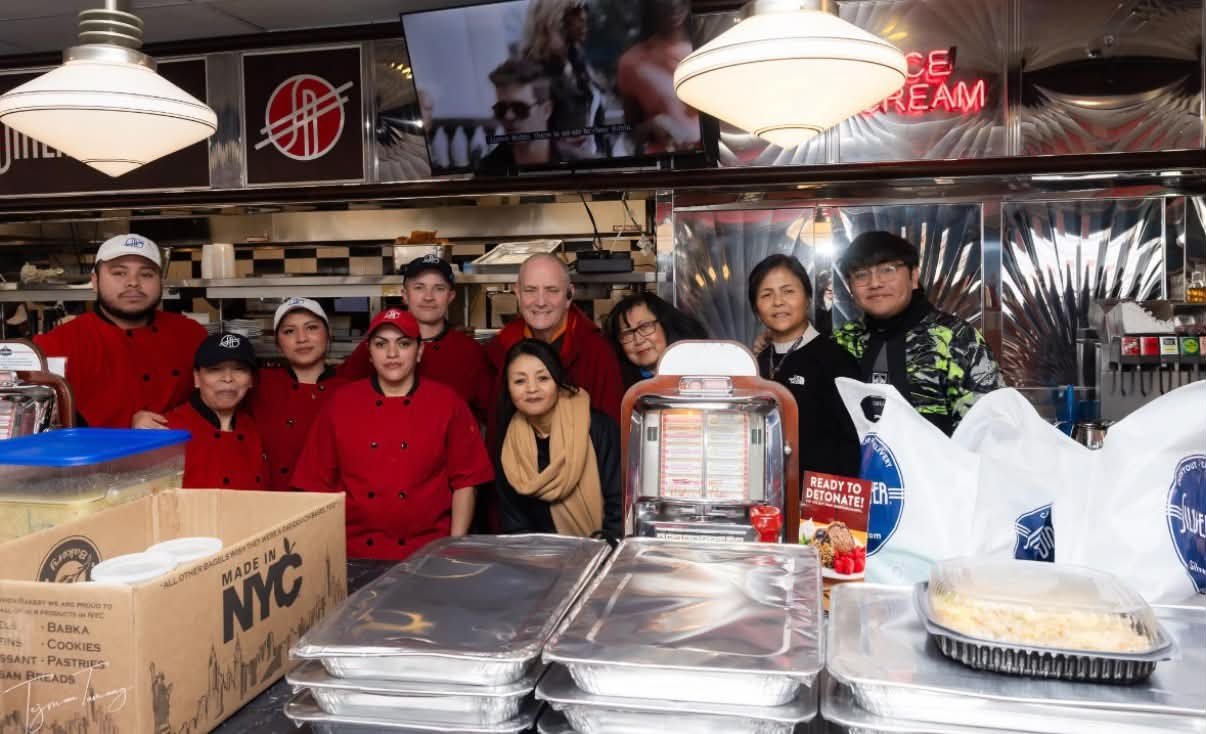
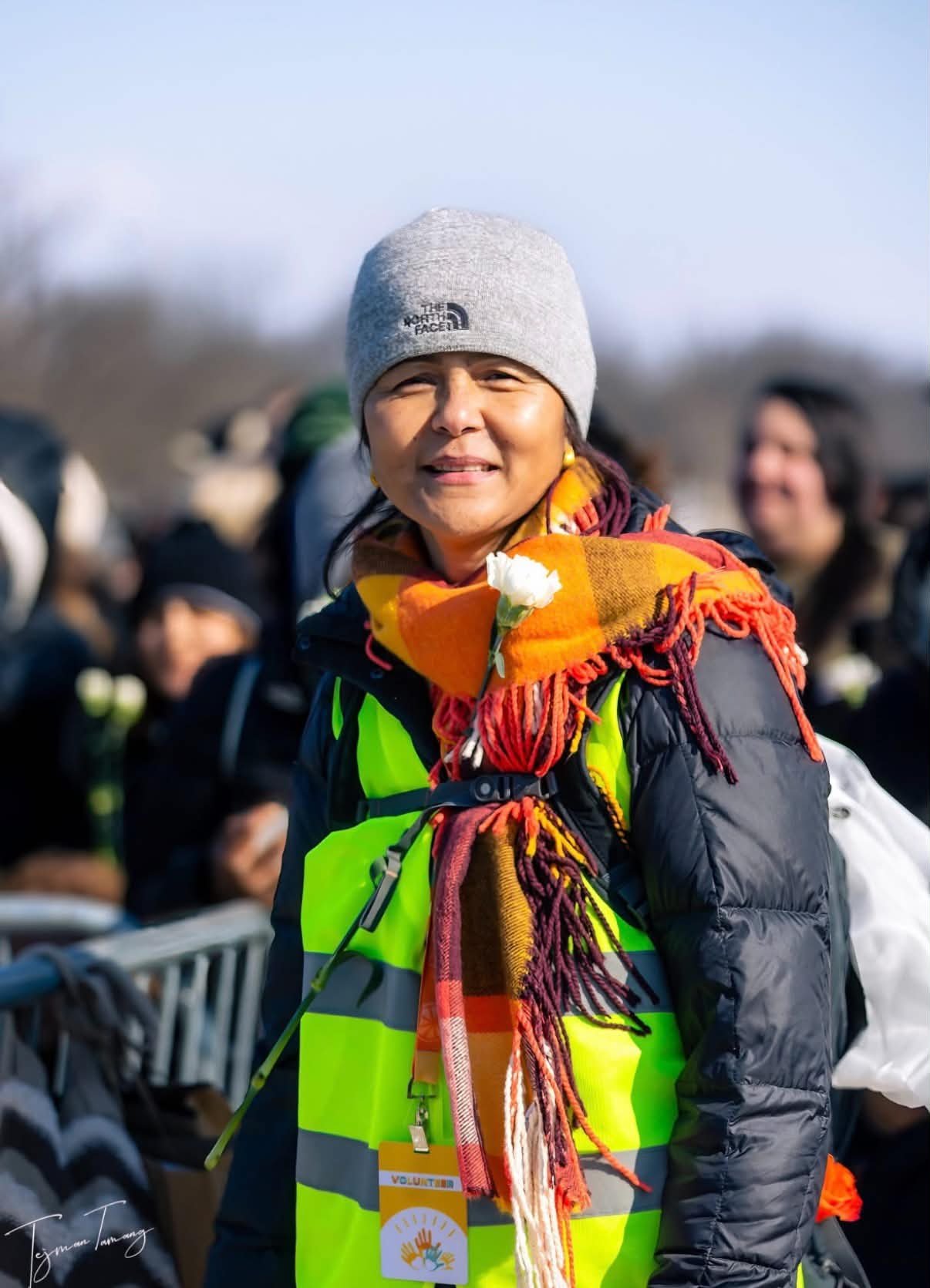
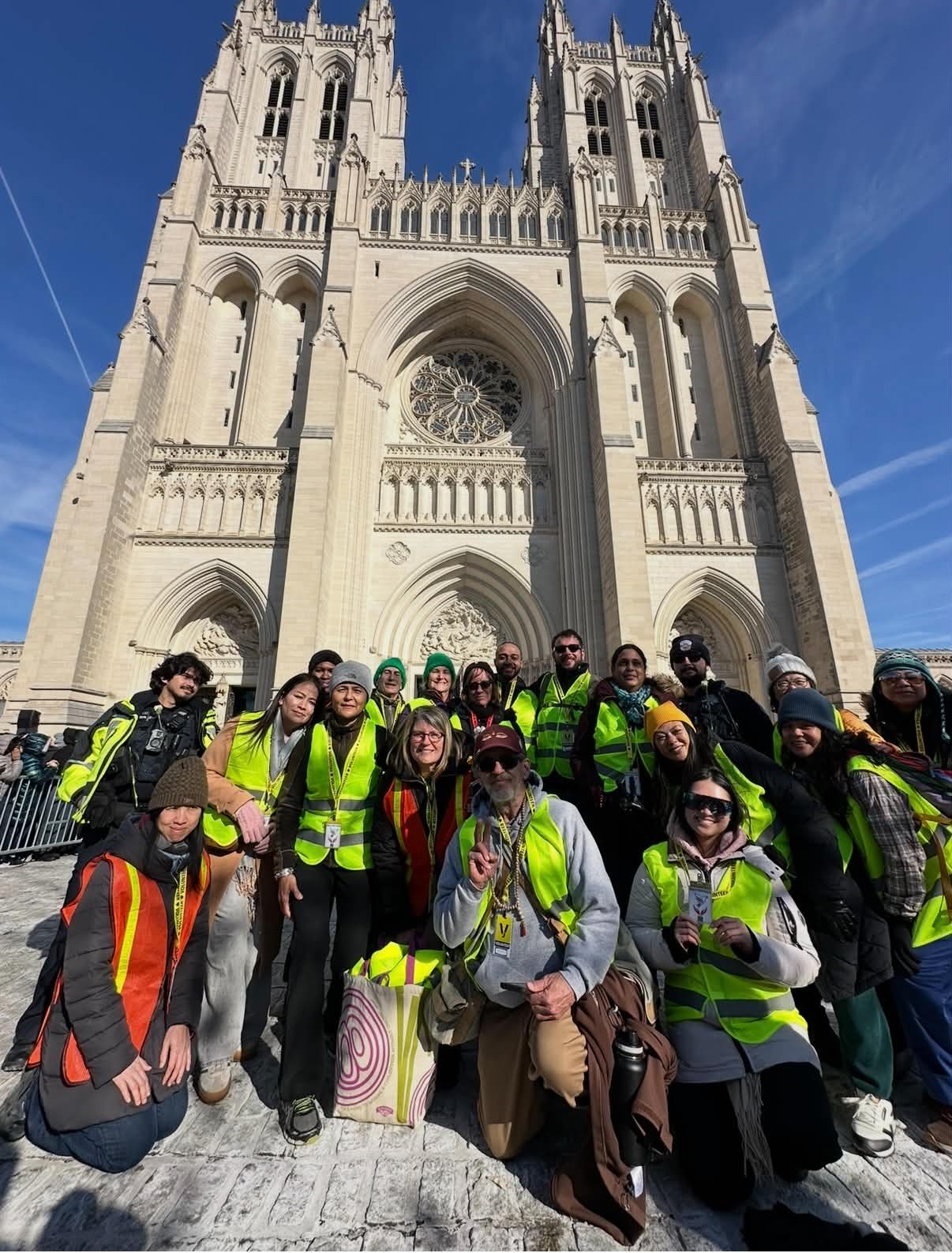
Eventually, the Walk for Peace arrived in Richmond, Virginia. Members from my center, my family, and I had the opportunity to meet Venerable Bhikkhu Paññākāra and his team. What had begun as following their journey from a distance became an opportunity to volunteer, make food offerings, and listen to the Dhamma in person.
One of the strongest impressions I carried from that meeting was Venerable Bhikkhu Paññākāra’s humility. Although I have never seen Shakyamuni Buddha, witnessing his humility, simplicity, and compassion reminded me of how the Buddha’s teachings can be reflected in the lives of those who sincerely practice them. He did not place himself above others. His conduct reminded me that genuine leadership is not about position or recognition, but about serving others with kindness and respect.
One message from Venerable Paññākāra that particularly stayed with me was the importance of turning our awareness of others’ suffering into compassionate action. Rather than simply feeling sorry for those who are suffering, we should ask ourselves: What can I do to ease someone’s suffering?
The Walk for Peace also reminded me that peace begins within each of us, through our thoughts, words, and actions. It is something we must practice in our everyday lives. Compassion is not simply something we speak about; it is something we practice. Kindness is not limited to special occasions; it is a responsibility we carry in our everyday lives.
Another meaningful opportunity arose on September 20, 2026. During the Walk for Peace, weather conditions and heightened security had made it difficult for many people in the area to meet Venerable Bhikkhu Paññākāra in person. Our community saw an opportunity to bring people together for a different kind of gathering.
The Tamang Society of Greater Washington (TSGW), Nepal Education and Cultural Center (NECC), and Kunzang Palyul Jangchub Choiling (KPC) Temple, together with members of the wider DC metropolitan community, came together to host Venerable Paññākāra for prayers for Nepal’s flash flood victims and a special Dhamma talk.
People from different organizations and backgrounds came together to pray for those affected by the floods and listen to the Dhamma. It was a meaningful gathering and a reminder that the spirit of the Walk for Peace can continue beyond the footsteps of the monks. It lives on whenever people come together to help others and put compassion into action.
Looking back, I feel fortunate to have been part of this journey, even in a small way. The opportunity to volunteer, make offerings, meet Venerable Bhikkhu Paññākāra and his team, and listen to their teachings are experiences I will always cherish.
My heartfelt gratitude goes to Venerable Bhikkhu Paññākāra and all the monks and volunteers who devoted themselves to this journey. I also rejoice in the merit of everyone who contributed, whether by walking alongside the monks, preparing food, making offerings, volunteering, organizing gatherings, or supporting the journey in other ways.
May the seeds of peace planted through this journey continue to grow in every heart and every community. May we all learn to walk gently, speak kindly, live mindfully, and serve selflessly. May all sentient beings be blessed with peace, happiness, and well-being.

Roji Ghishing Tamang,
Thank you for the reflection insights, I appreciated reading evoking memories from my own perspective.
Dr. Mae
My pleasure and may you be happy and healthy Dr. Mae