
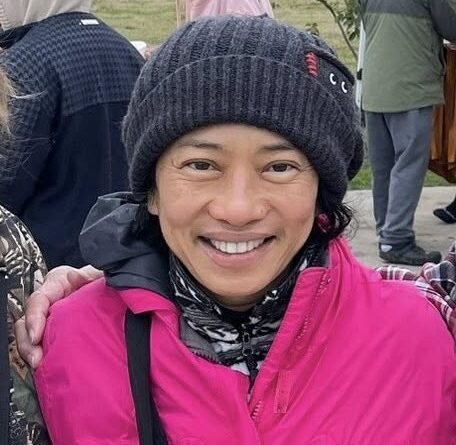
Walk For Peace Memoir
November 29-December 13, 2025
Louisiana and Mississippi
“How does walking from Fort Worth, Texas to Washington DC bring peace to people? Don’t you think it is a waste of time and energy when you can just teach people online or at the temple?”
These were two questions asked by a few friends when I told them that I will be volunteering as a journey coordinator for two weeks with venerable monks in the Walk For Peace.
Yes, my friends had valid points. However, many individuals have never interacted with a Buddhist monk or even heard about the practice of mindfulness or meditation. Through direct interaction, people can feel the energy of the monks and witness their embodiment of compassion, kindness, empathy, and calmness.
As a journey coordinator, my responsibility was to oversee everything and ensure that all ran smoothly and on time. One of my main duties was to find suitable lunch locations and overnight campsites. To help reduce stress, we had a group of volunteers working remotely to map out potential locations for lunch, overnight stays, and RV dumping sites.
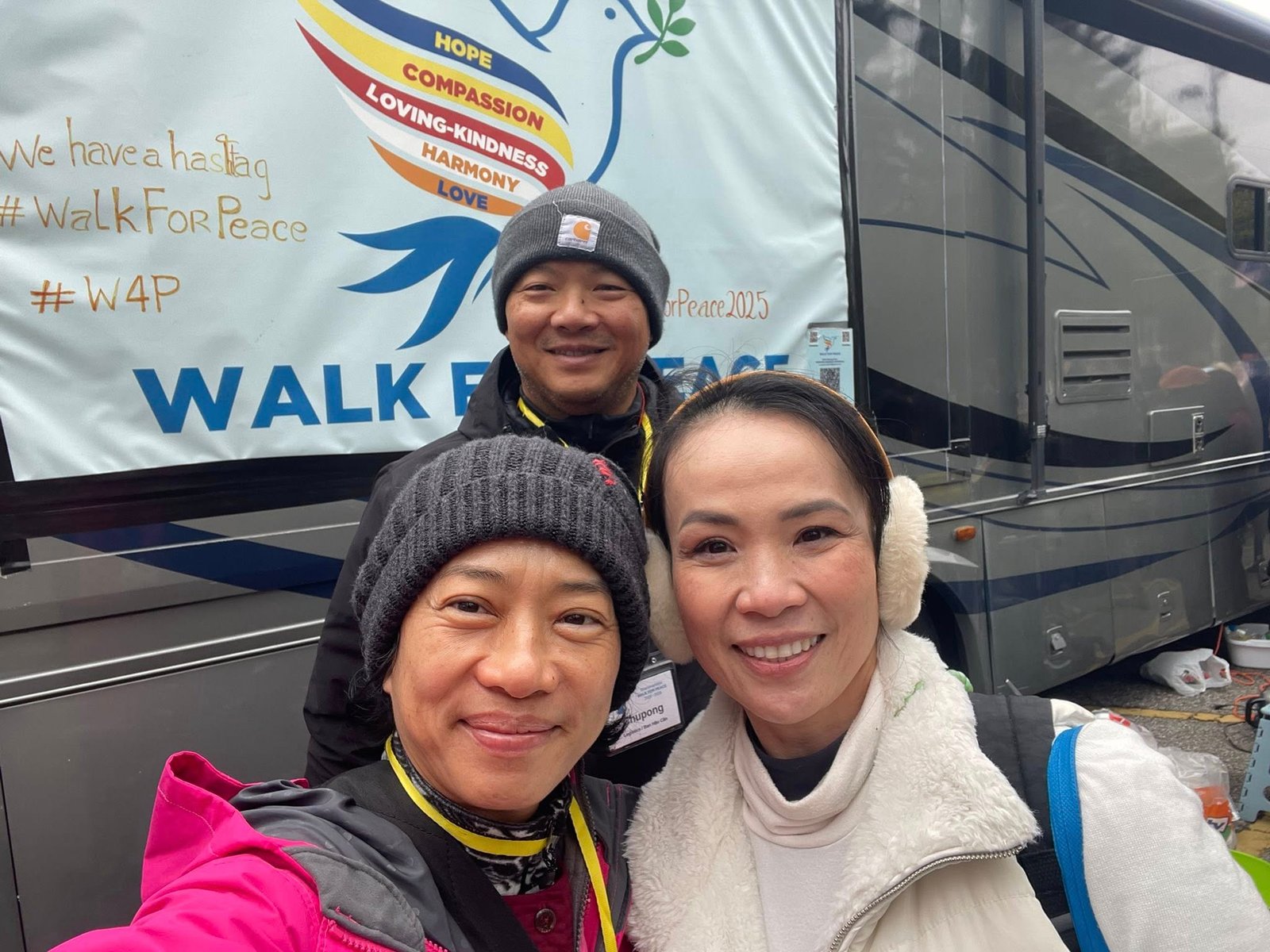
During the first few days, my husband, Chupong, drove me to these potential sites, and together we evaluated each area for RV parking and safety. If an ideal location was on county property, we contacted the county for permission. If it was private property, we rang the doorbell and asked the owner directly.
These tasks were challenging, both for me and for the journey coordinator before me, because many people had never heard of the Walk for Peace. Due to understandable fear and uncertainty, many landowners declined our requests. Fortunately, we were blessed by those who generously allowed us to use their property for rest and camping. It was generally easier when the land belonged to the county, as permission was usually granted.
Finding locations was often tricky. I had to ensure they fit within our daily mileage so we could reach Washington, DC safely and on schedule. However, even if a location fit the mileage, it might be in the middle of nowhere—with no safe place for RV parking or camping. In those cases, we had to adjust and choose something slightly closer or farther. Additionally, I had to ensure that the monks could reach the lunch destination before 11:30 AM., as Theravada monks and nuns do not consume solid food after 12 PM.
During the first week in Louisiana, it rained almost every day. It was wet, muddy, and cold. My husband and I slept in our SUV. Under normal circumstances, I would develop a fever after being cold for even an hour. Yet, amazingly, despite being wet, cold, and sleep-deprived, I still had the stamina to do everything I needed to do. Even after returning home, I did not get sick.
I believe our health is closely connected to the state of our mind, emotions, and spirit. When we are joyful, we are less likely to fall ill. When our emotions are positive, our immune system becomes stronger.
There were many nights when the venerable monks had to sleep in tents while it rained. One morning, a young Thai Bhikkhu said with a smile, “I thought I was on a boat while sleeping. When I woke up, I realized my sleeping bag and I were floating on water.”
All the monks experienced some physical discomfort due to long walks across varied terrain and exposure to different weather conditions. Yet, it was deeply inspiring that none of them complained. They always carried gentle smiles. Some would say, “My body hurts, but I am not hurting,” while others would say, “My legs hurt, but I am okay.” Through mindfulness, they have learned to detach their emotional state from physical pain.
Another one of my duties was to contact the police or sheriff’s departments in each county to request assistance in escorting the monks and helping identify safer and shorter routes.
At sunrise, two officers would patiently wait in their cars for the Sangha. Each time we crossed into a new county, a new team was ready to take over.
Each morning, the Sangha chanted in Pali, paid homage to the Buddha, prayed for the spirits of the land, sent positive energy to landowners, and dedicated merits to all beings so that all may live in harmony and peace. These chants often moved me to joyful tears.
After the monks began their walk, volunteers stayed behind to clean the area. Before my husband and I leave the morning site, I gathered the volunteers for a short chant, prayer, positive intention-setting, and dedicate our merits to all beings. This small yet powerful act brought harmony, energy, and joy to our group and those we encountered.
At lunchtime, our kitchen team prepared enough food for both the Sangha and visitors. Typically, we served between 30 and 150 people. At times, both local residents and those who traveled from afar brought food offerings to share.
After lunch, there were often Dhamma teachings or one-on-one guidance sessions. The monks also distributed blessed bracelets. It was heartwarming to see local communities come together. Some came out of curiosity, some to donate, while others needed some emotional and spiritual guidance. It was a beautiful sight when seeing children offering drawings or food, and adults lining the streets with flowers or water.
Once the Sangha reach the night location and rested, they gathered to chant, pray, teach meditation, answer questions and give out blessed bracelets.
Because of the constant rain, mud and with each monk having only three robes, finding laundromats in rural areas was difficult. We were incredibly fortunate that local communities, police departments, correctional institution, hotels, and individuals volunteered to do laundry for us. Their kindness and generosity were deeply appreciated.
We encountered many obstacles, both minor and major. Yet, each was resolved thanks to the kindness of people we met and what I believe to be higher-power intervention. This strengthened my belief in the power of prayer and positive intention. When the inner world is at peace, the outer world will be its mirror image. So, how does walking from Fort Worth to Washington, DC bring peace? Would it be a waste of time and energy when you can just teach people online or at the temple?
Through the Walk for Peace, the venerable monks shared wisdom on cultivating inner peace, while also bringing out the best in people locally and globally. The journey gave people the opportunity to practice humility, generosity, patience, self-awareness, stillness and gain more insight. As a journey coordinator, there were stressful moments—but overall, it was deeply rewarding. It brought me peace, joy, excitement, and profound spiritual growth.
In closing, I extend my heartfelt gratitude to the police, sheriffs, and fire departments in Louisiana and Mississippi for their support and protection. I am grateful to the mayors, the shelter centers, parks and recreation department in both Louisiana and Mississippi for allowing us to use their facilities.
I am thankful to property owners in Louisiana and Mississippi for their kindness and generosity.
I am grateful to all healthcare providers and veterinarians for their time, expertise and compassion. I would like to thank all the donors and supporters who patiently and enthusiastically waited for hours for the Sangha to arrive. Your presence was a source of energy and motivation for us to continue our journey.
I like to thank our drivers, Hondo and Andy, and kitchen staff, who woke up at 3 a.m. daily, for their dedication. I am thankful to Derek, Robert, and Jesse for patiently accompanied our venerable monks, offering support and assistance whenever needed. I would like to thank all the volunteers who were present with us, as well as those who supported us remotely.
I am especially thankful to my husband, whose unwavering support made this journey possible.
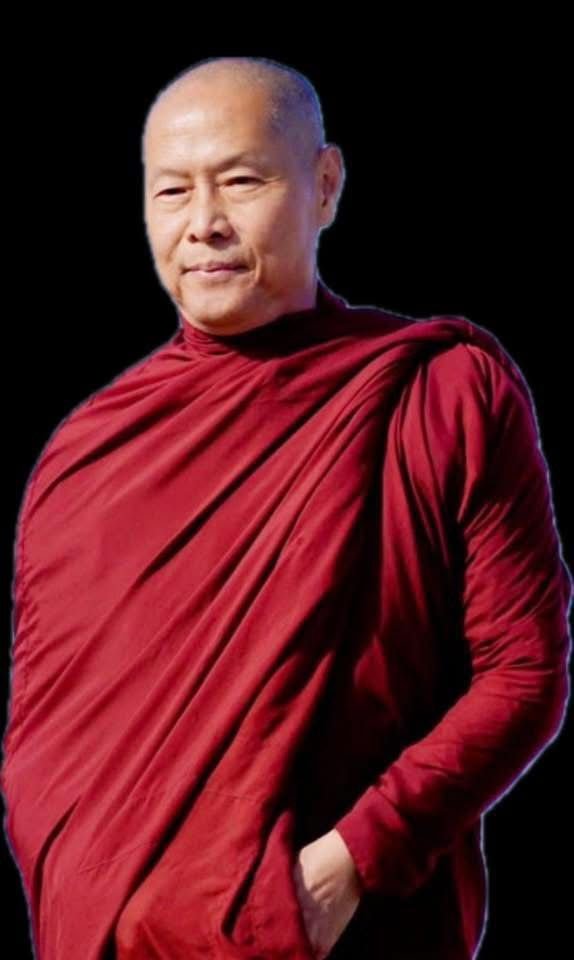
I am thankful to the Abbot of Huong Dao Vipassana Bhavana Center, Venerable Ratanaguna Buu Duc for entrusting me with this responsibility. I like to thank Bhikkhuni Nanika Hanh Nhien for recruited me.
Finally, I offer my deepest gratitude to the venerable monks of the Walk for Peace Maha Sangha, whose wisdom, resilience, and compassion inspired us all.
Venerable Tue Nhan Pannakara- Huong Dao Vipassana Bhavana Center, Fort Worth, TX
A venerable of great vows and vision, the initiator of the Walk for Peace and founder of the Dhammacetiya project.
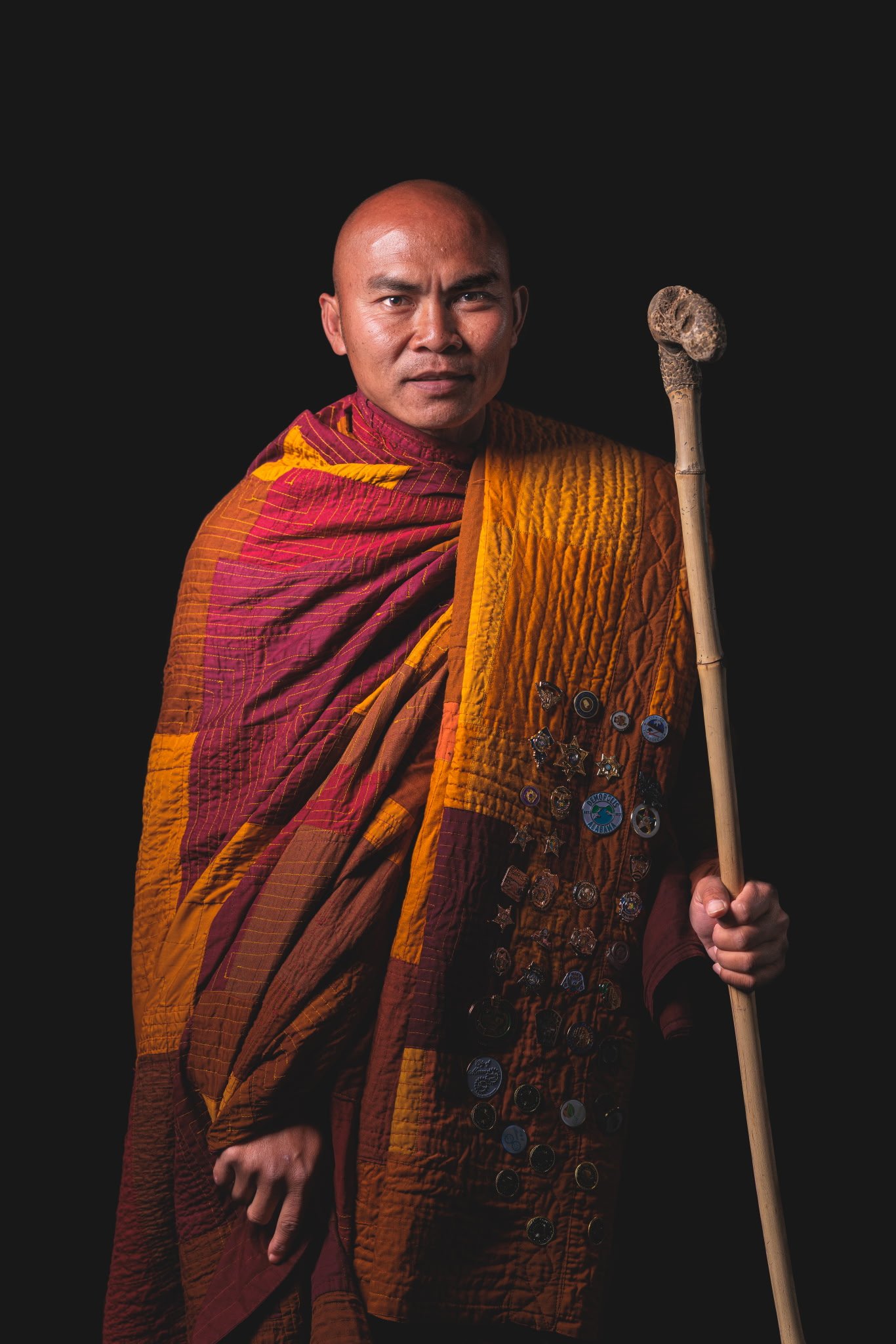
Venerable Maha Dam – Snellville, GA
An extraordinary meditator who remains calm and composed even in the midst of chaos and intense physical pain.
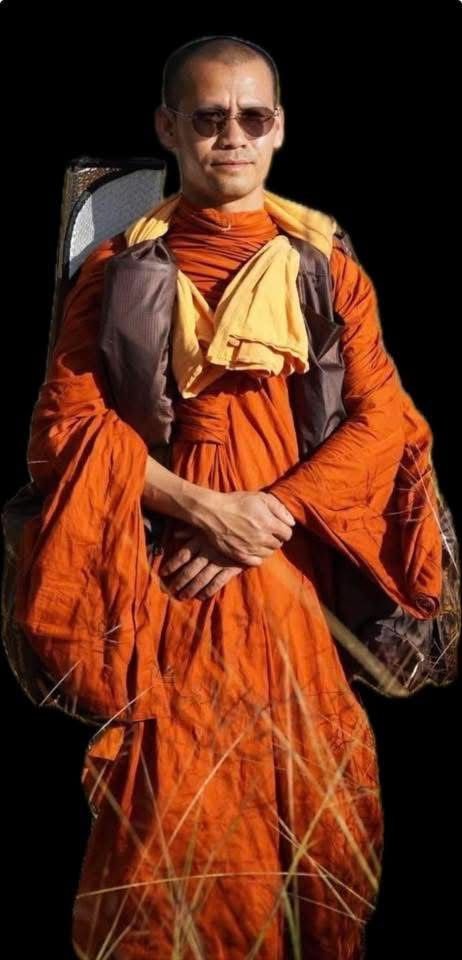
Venerable Luong Po Khamvanh – West Henrietta, NY
Our most senior and eldest venerable in the Maha Sangha, who always offers a gentle and warm smile.
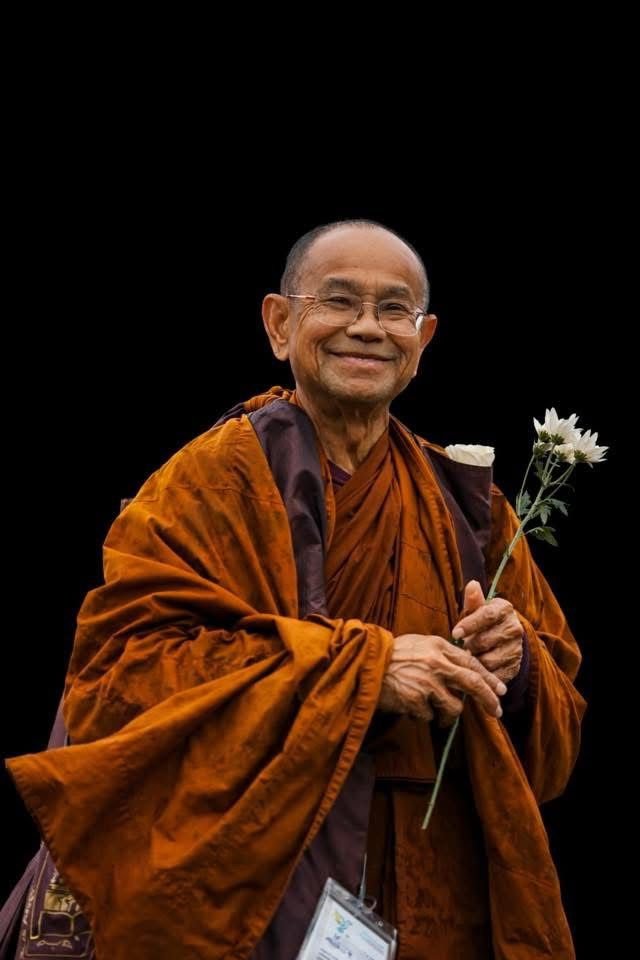
Venerable Pra Ajahn Douangpraneth – Salt Lake City, UT
His teachings and guidance throughout this journey have been deeply beneficial to local communities. We are grateful for his wisdom.
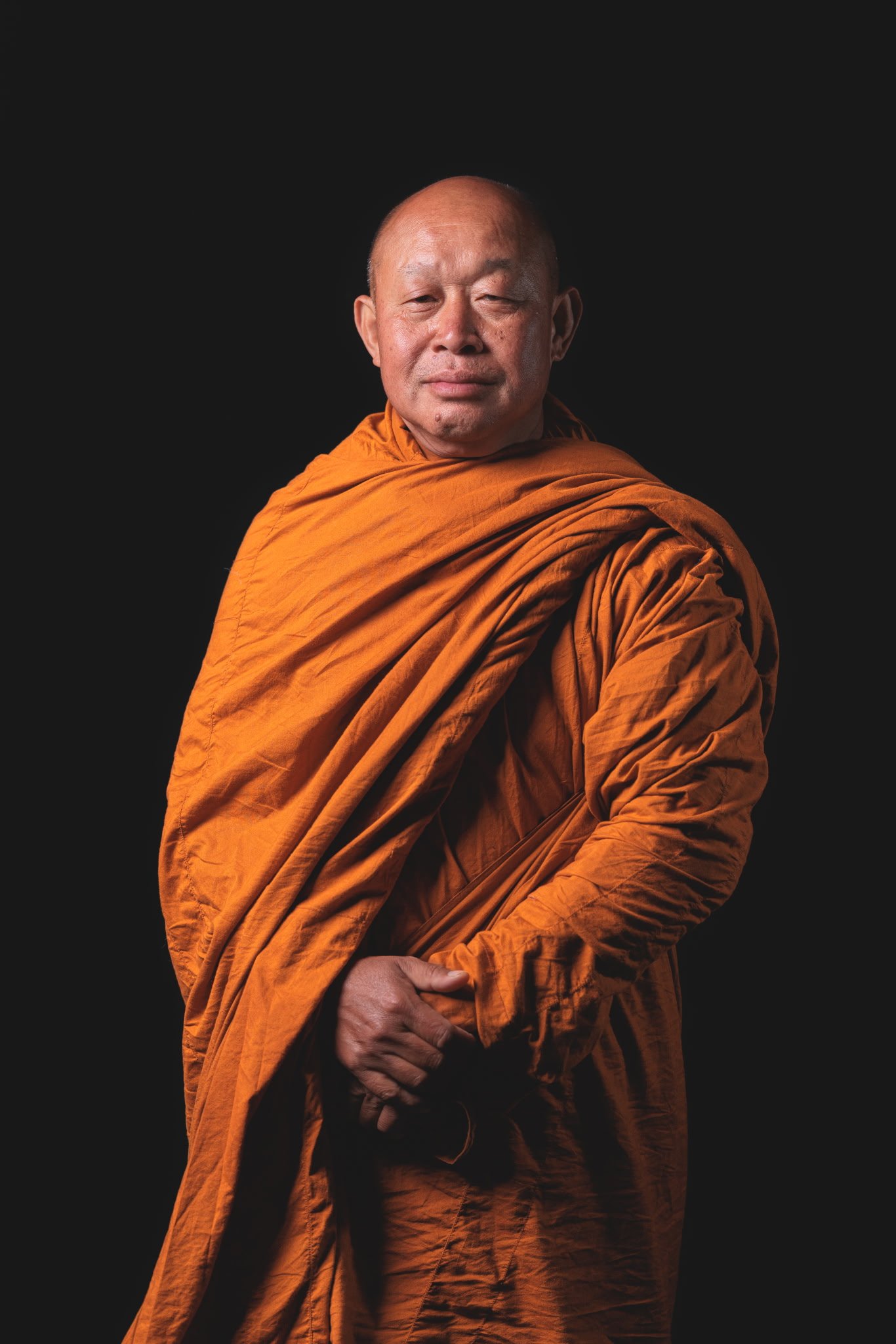
Venerable Pra Pichet – Khanom, Nakhon Si Thammarat, Thailand
A monk who sleeps sitting upright, walks barefoot, embraces nature, and carries a constant, peaceful smile.
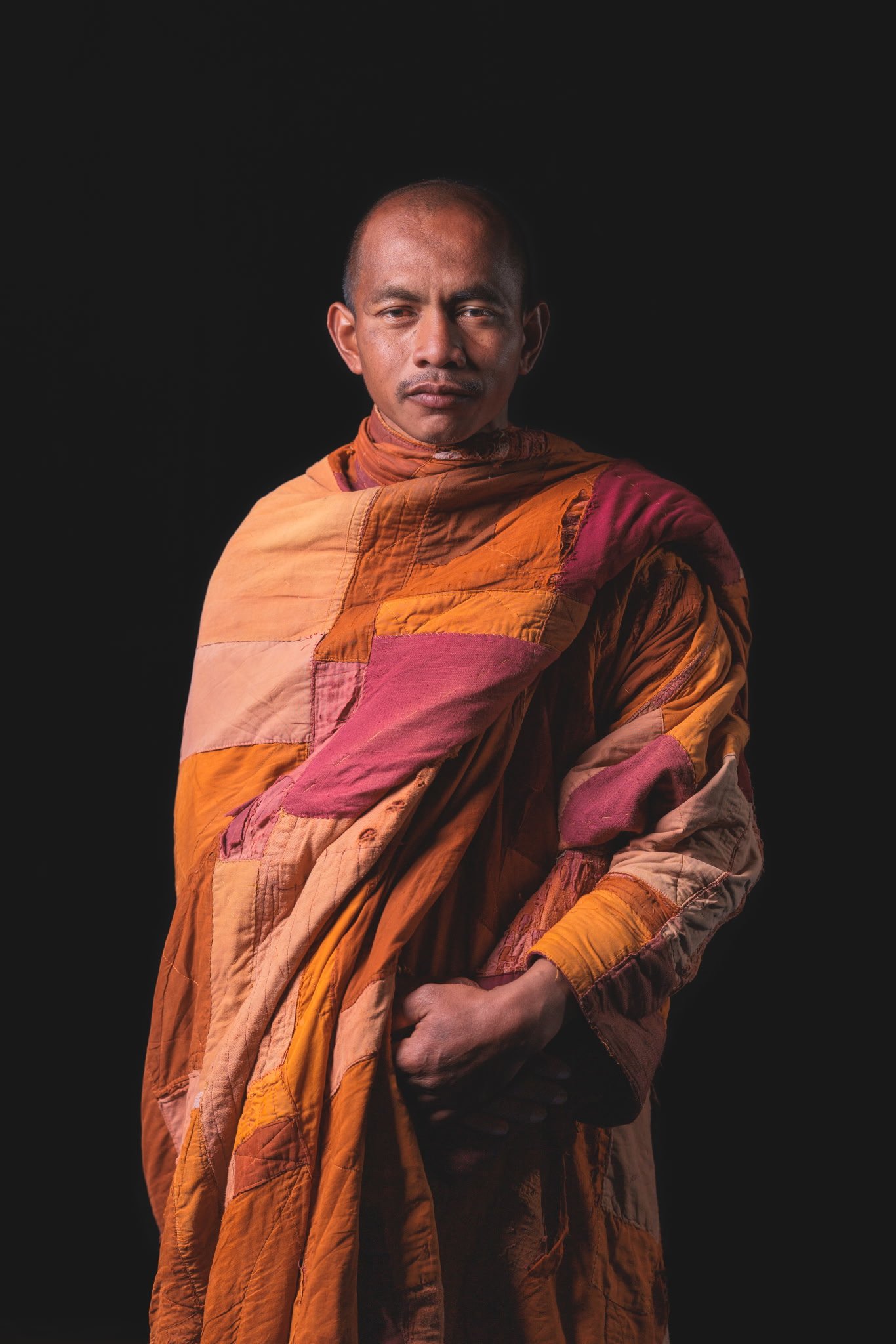
Venerable Pra Onta – Catlett, VA
Whenever asked, “How are you, Ajahn?” he replies, “No problem,” with a smile—even while experiencing pain and discomfort.
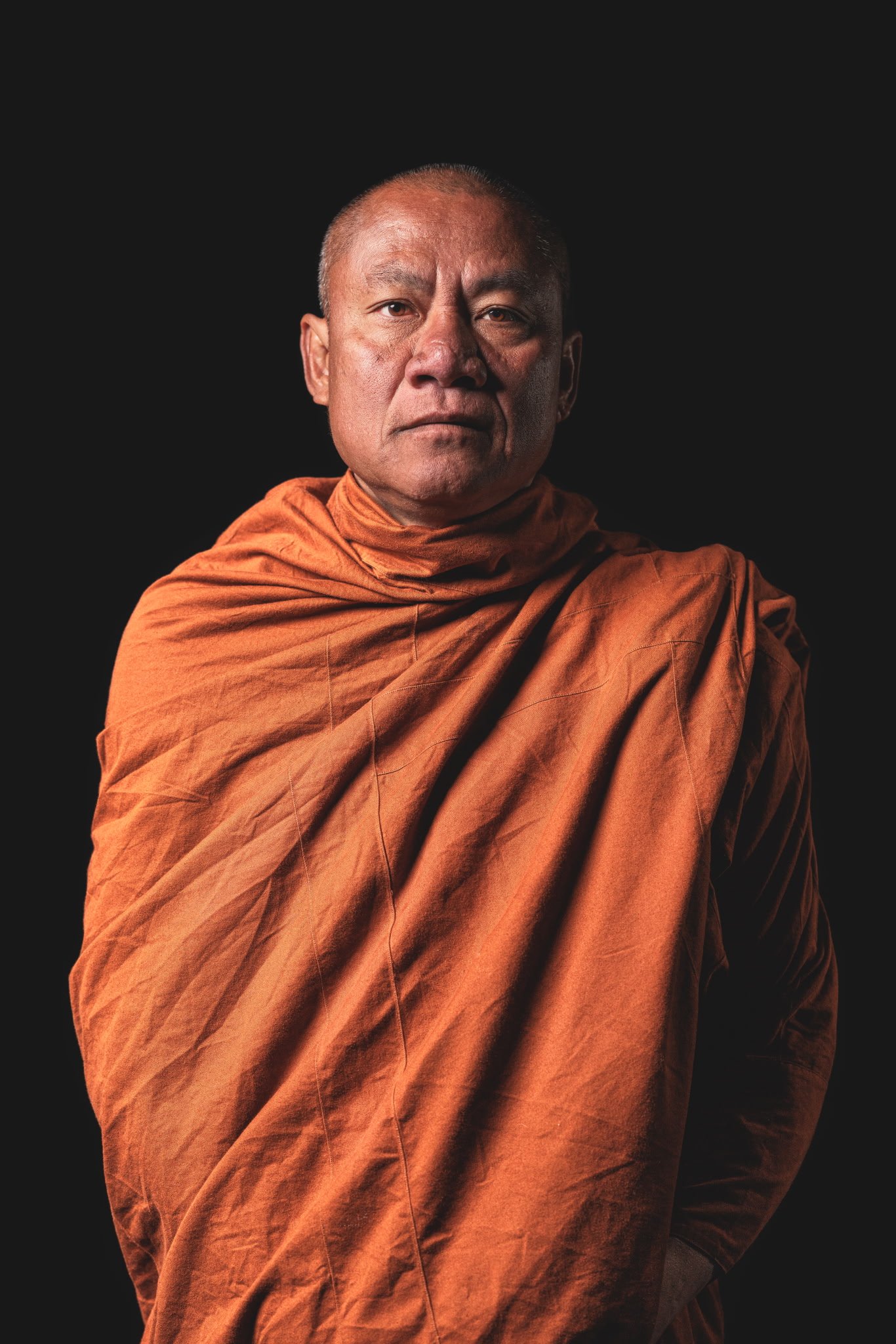
Venerable Pra Thirasak – Si Sa Ket, Thailand
His resilience and determination, like that of all the monks, serve as a powerful example.
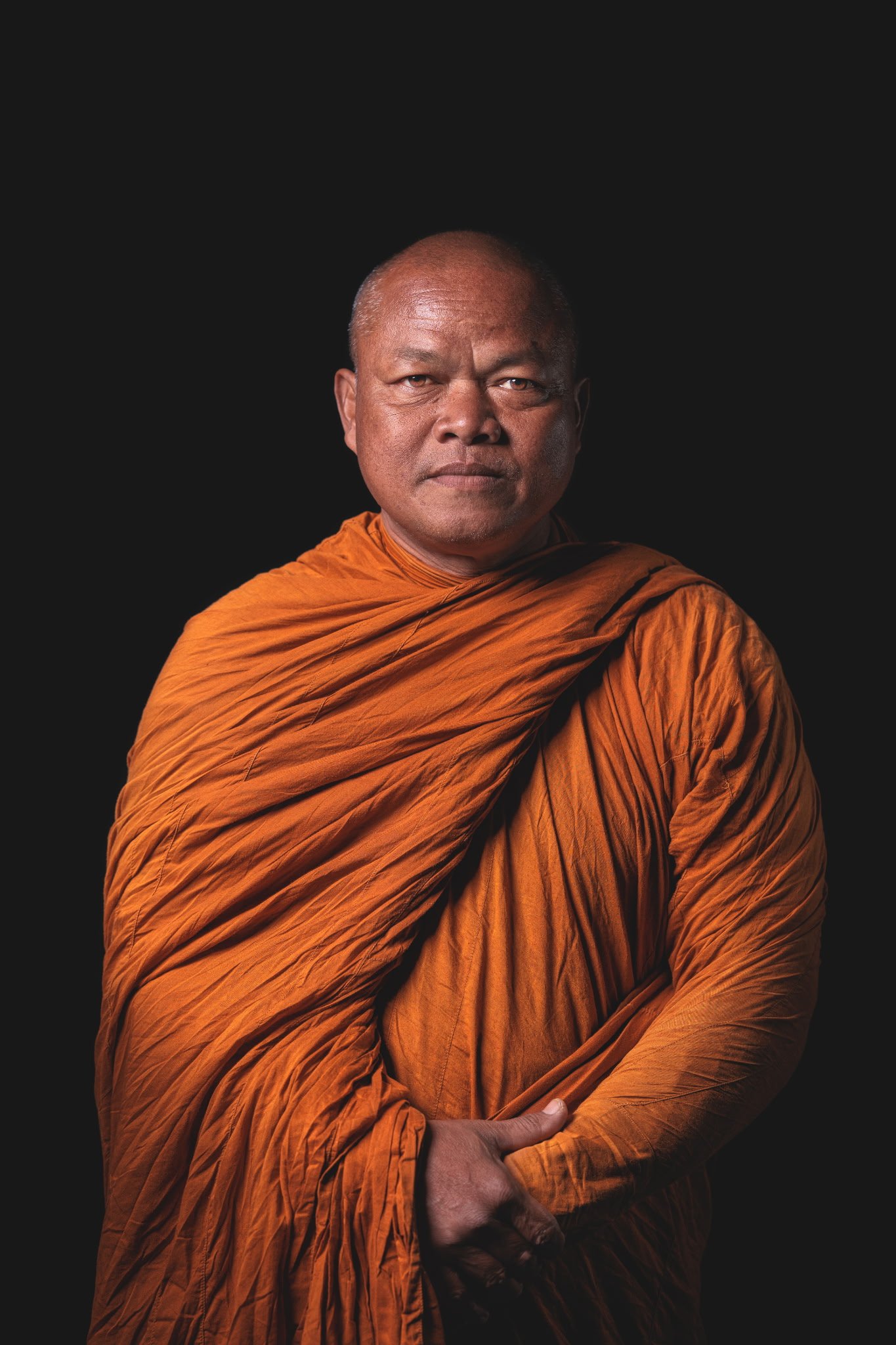
Venerable Sư Định Giới – Biên Hòa, Đồng Nai, Vietnam
With wisdom and humor, he brings joy and lightness to those around him.
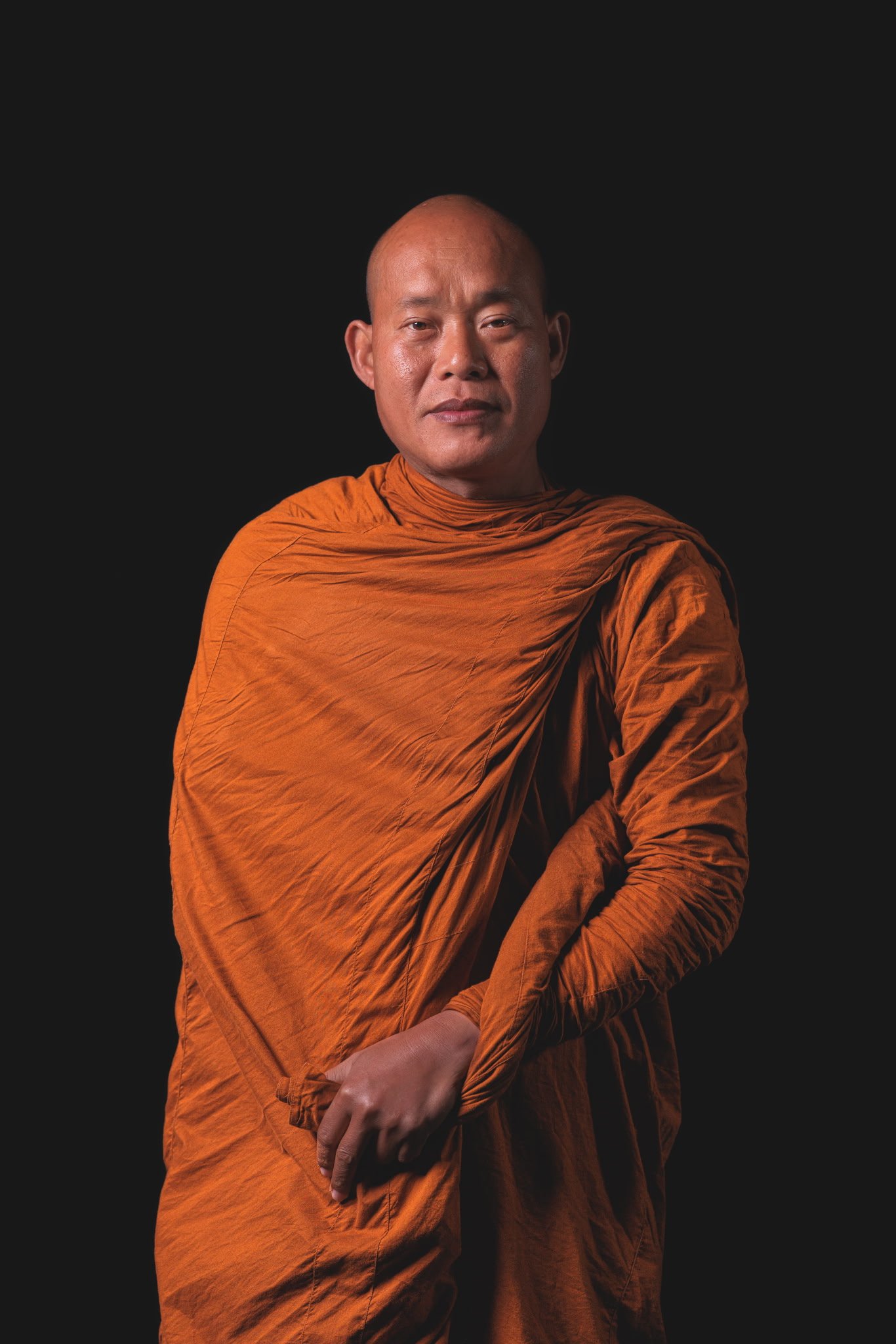
Venerable Pra Pongsawat – Bangkok, Thailand
His presence always radiates kindness and warmth. His prayers and blessings can make you cry an ocean.
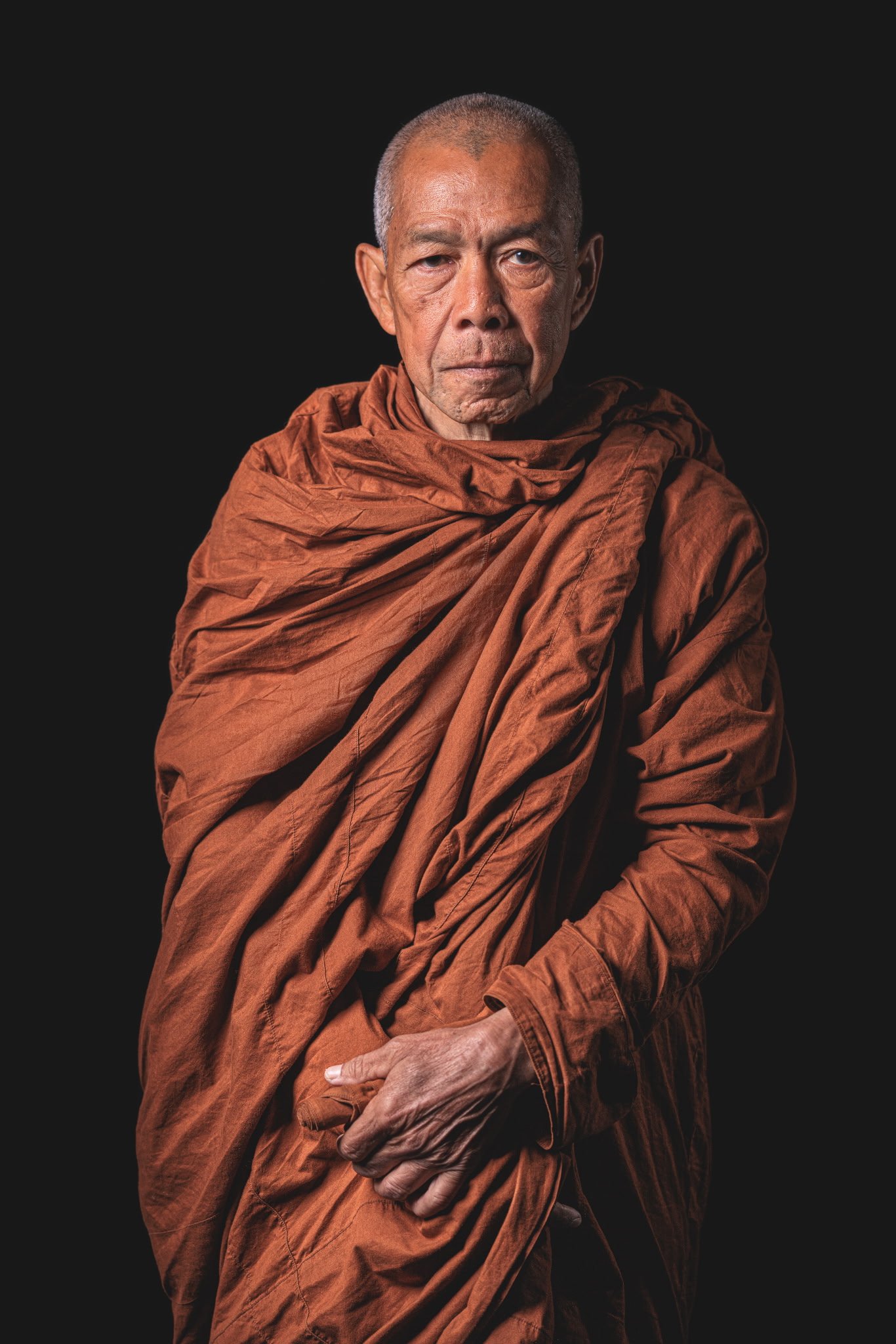
Venerable Pra Supalak – Nong Bua Lamphu, Thailand
Another gifted photographer whose work allowed many to experience the journey alongside the Sangha from day one.
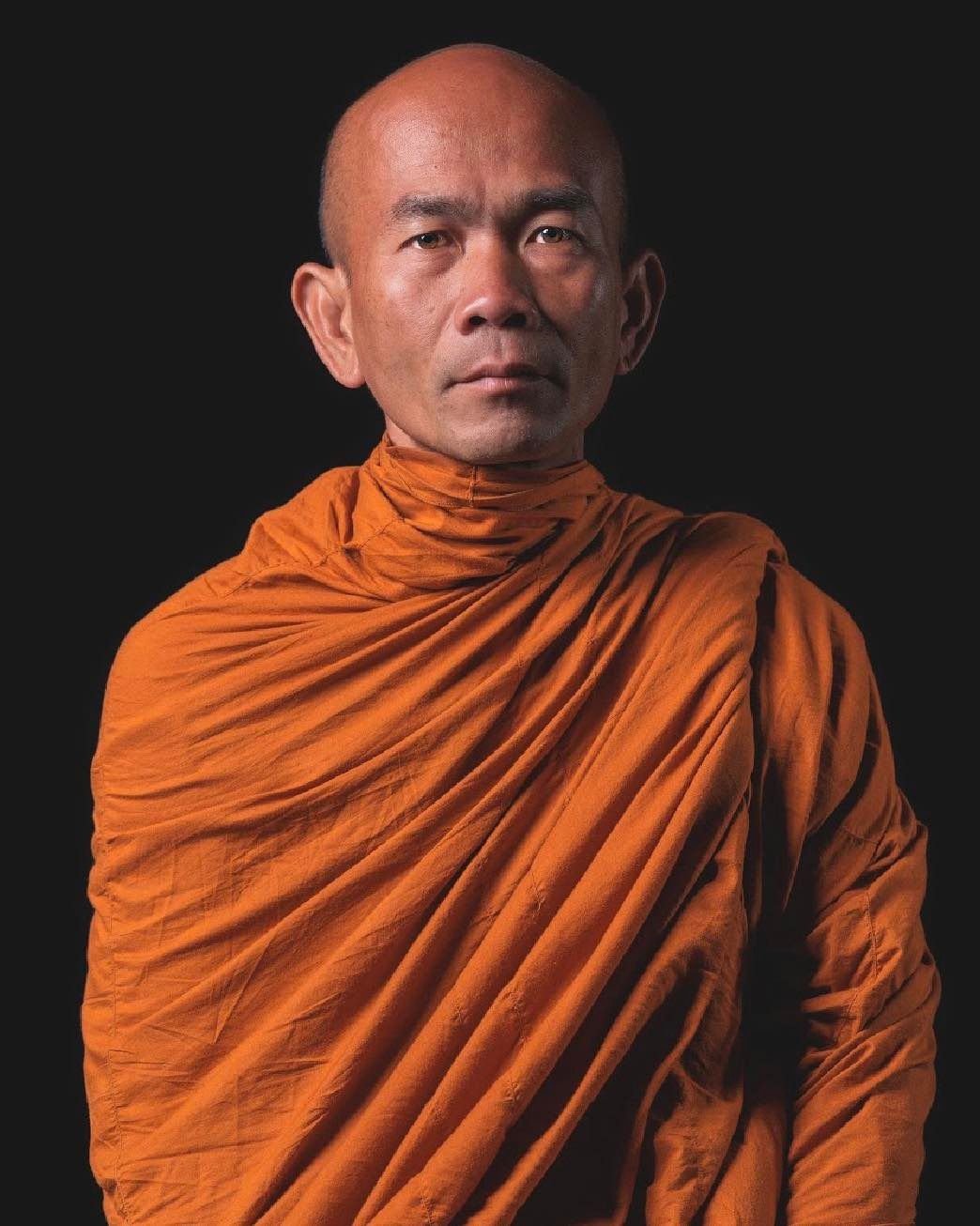
Venerable Pra Ratanasak – Udon Thani, Thailand
A quiet and gentle presence, always offering a soft and peaceful smile.
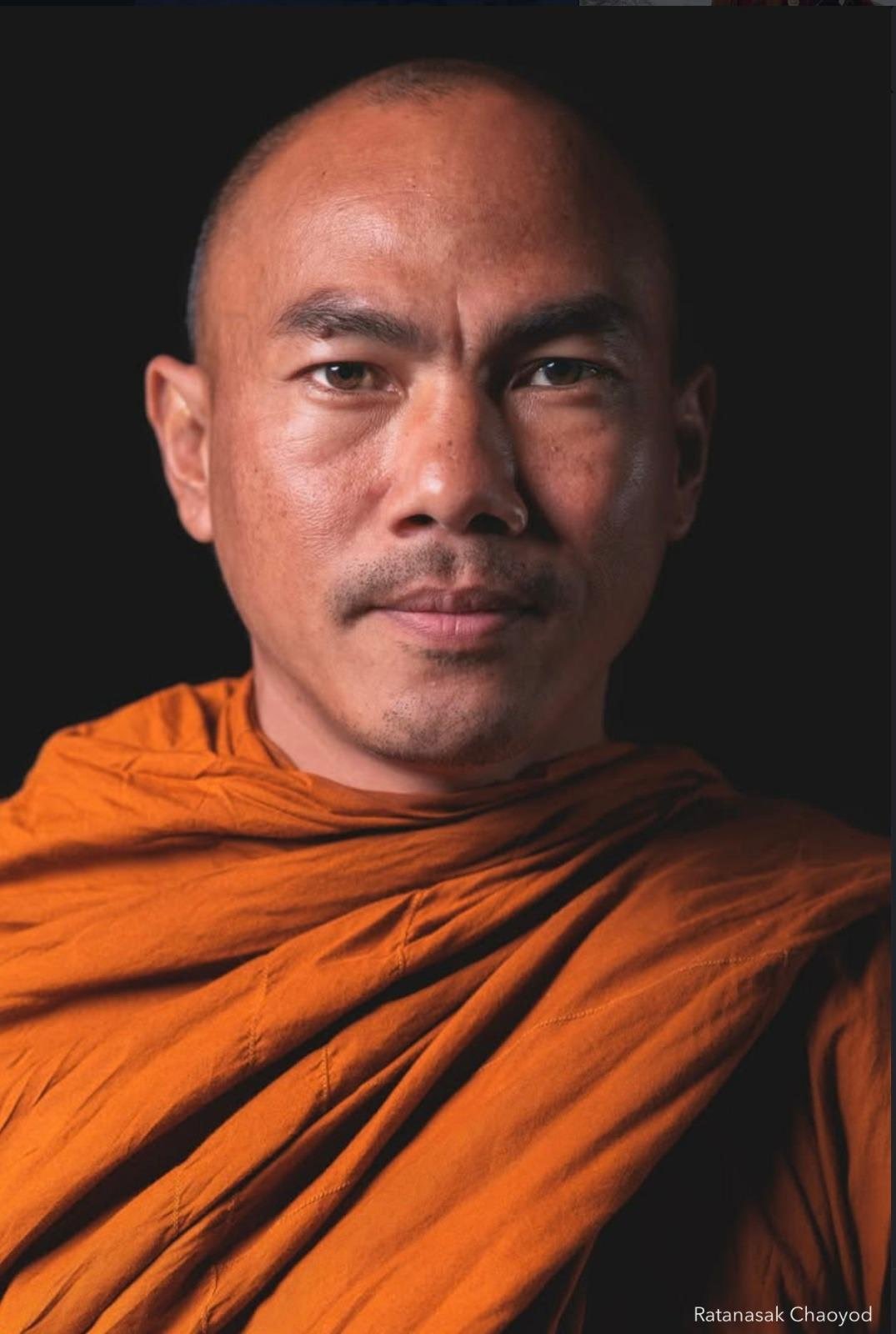
Venerable Pra Nathapon – Wat Nonsawang, Udon Thani, Thailand
Even while experiencing an allergic reaction, he continued to smile and apply mindfulness to overcome discomfort.
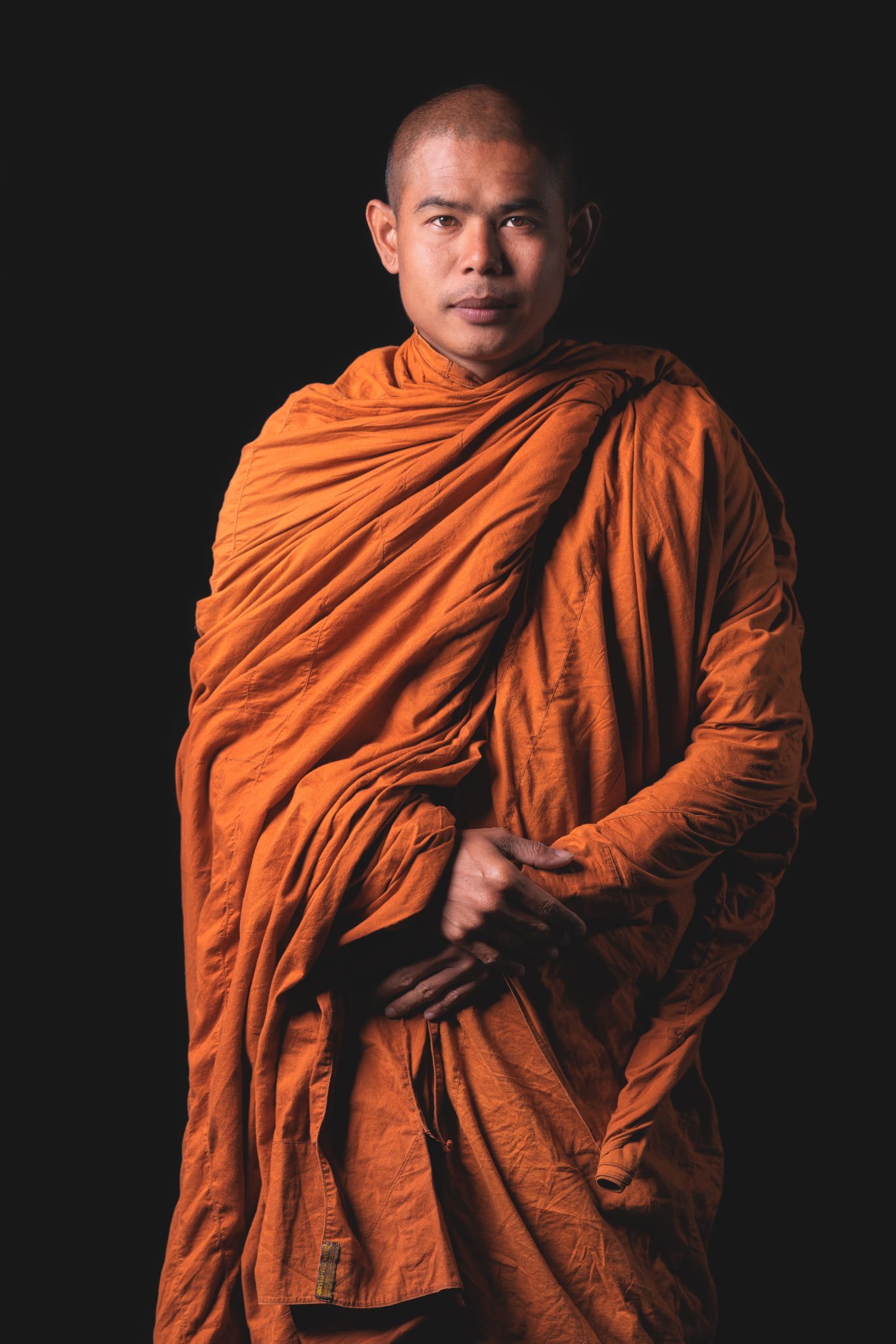
Venerable Sư Tuệ Bảo – Bình Phước, Vietnam
A young and joyful monk who smiles even in pain, reminding us of the Happy Buddha.
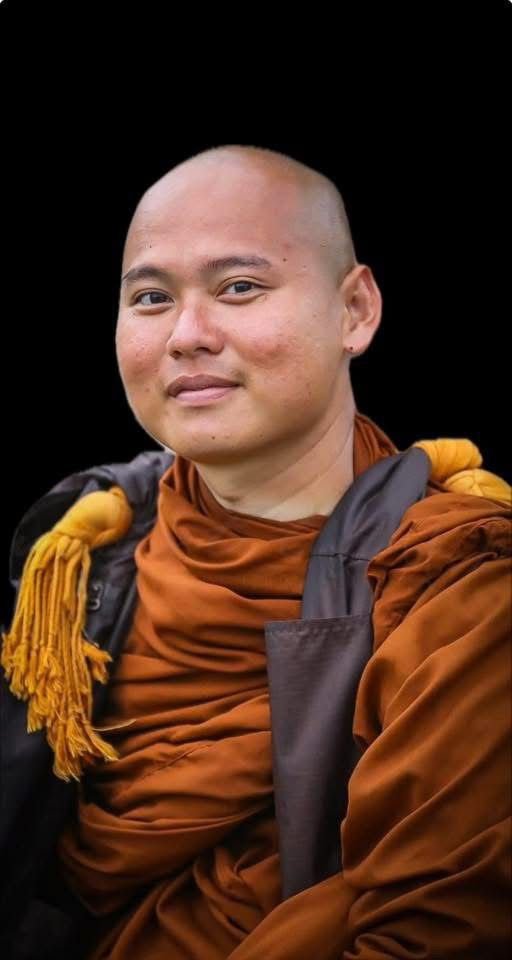
Venerable Sư Chánh Đạo – France
Despite being in his 60s, his stamina and endurance rival that of someone much younger. His bright smile uplifts all.
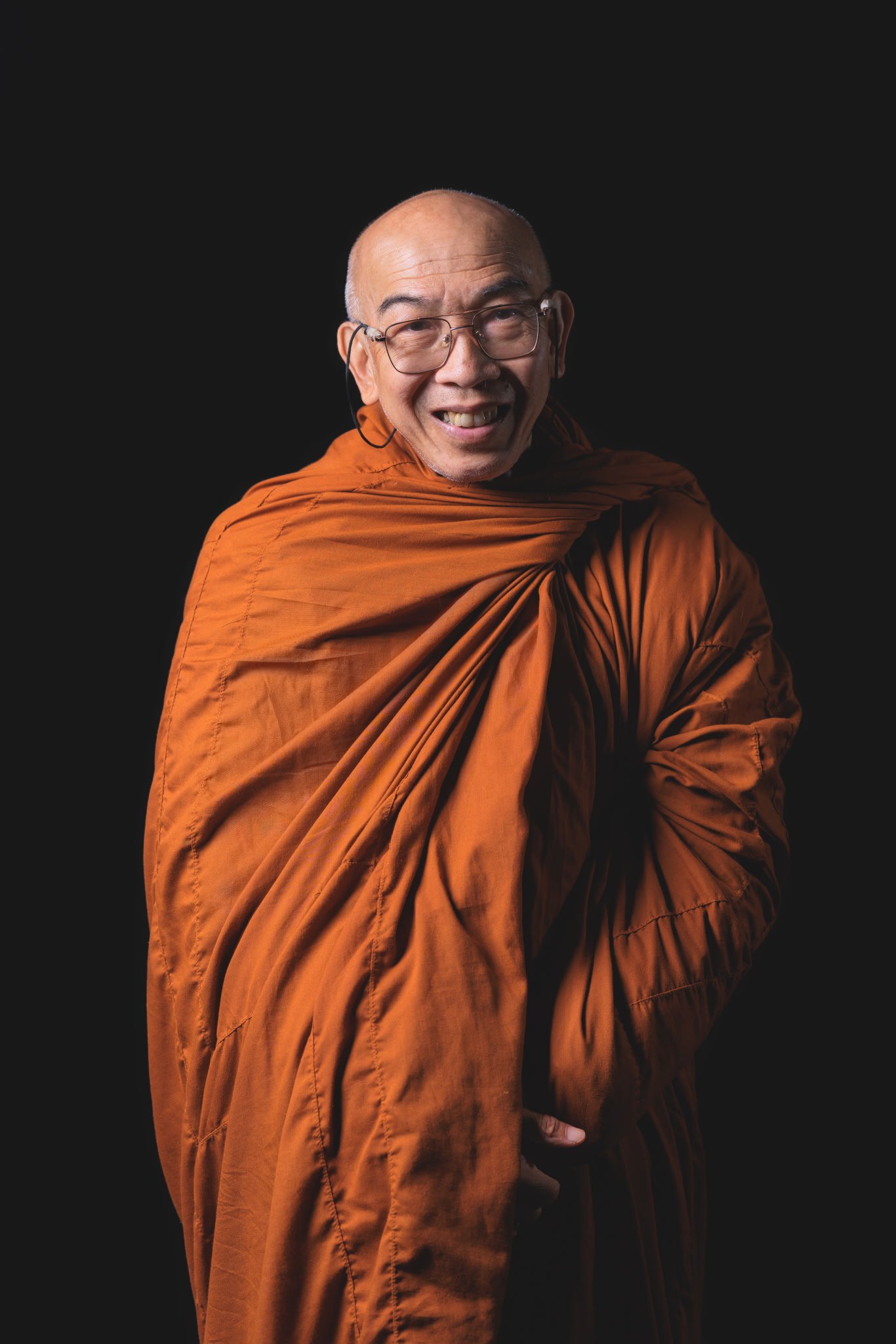
Venerable Bhante Silarnanda – Fort Worth, TX
His sincere intention to spread peace and mindfulness can be deeply felt.
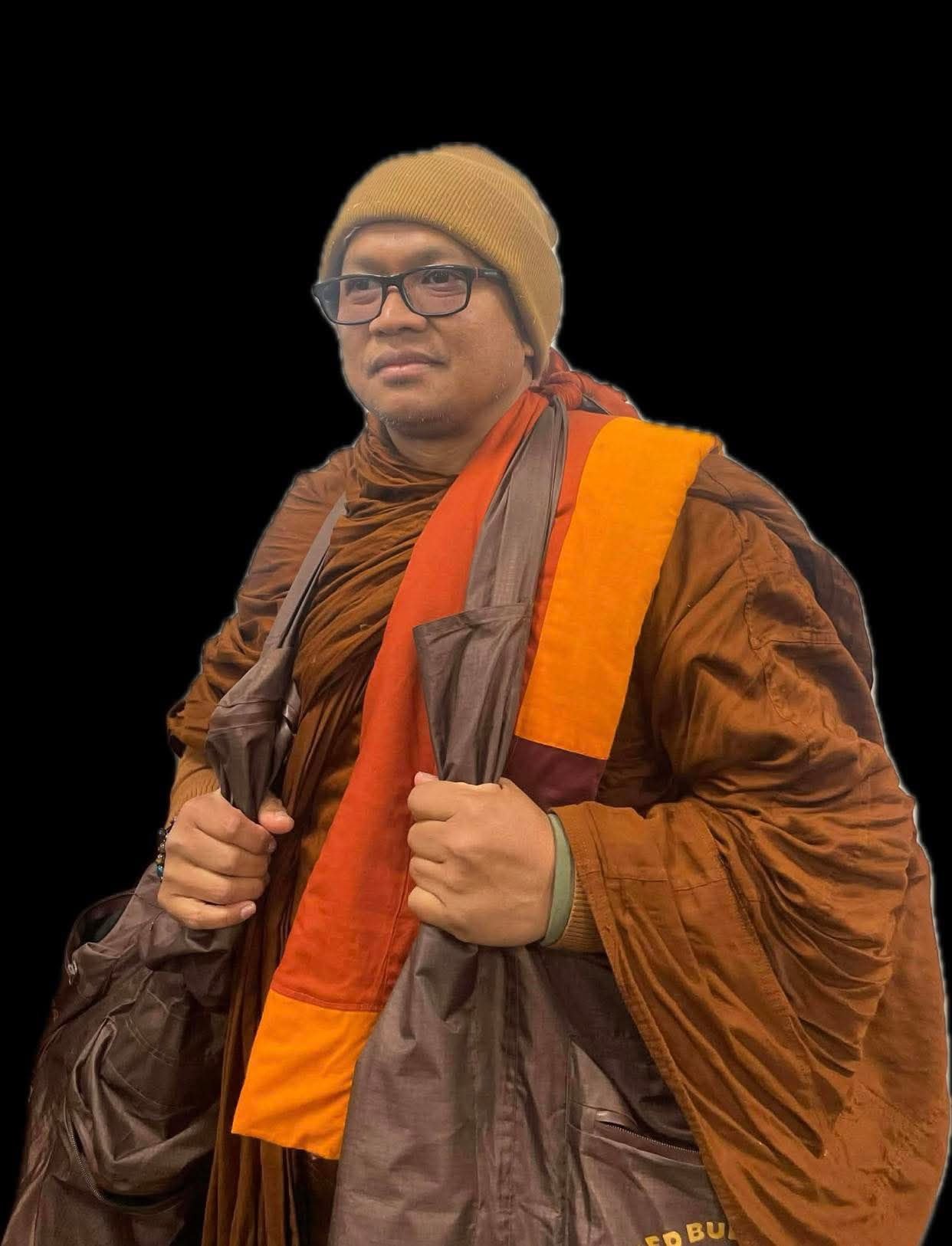
Venerable Pra Tuey – Houston, TX
The Walk for Peace flag bearer, always radiating a calm presence and a warm smile.
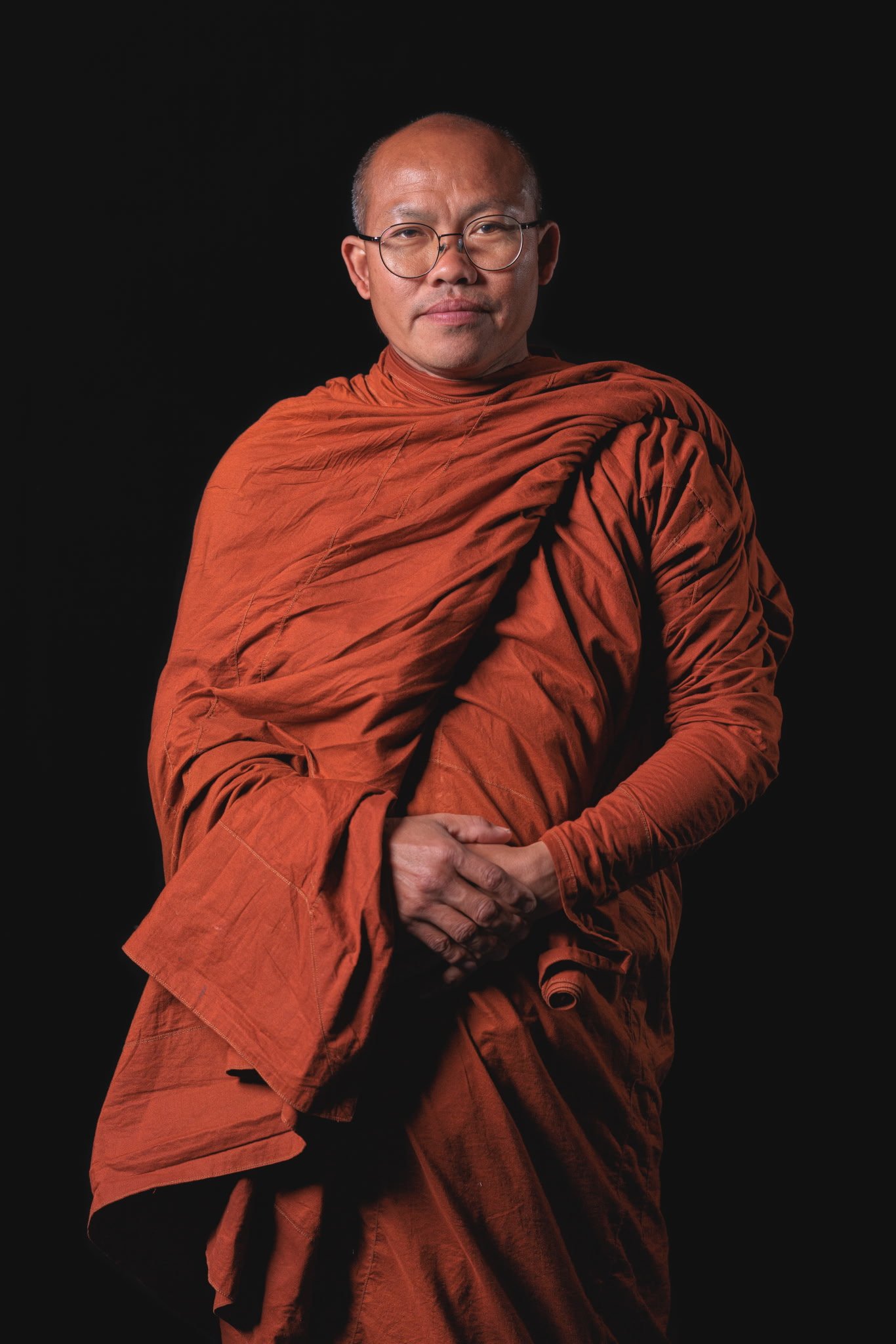
Venerable Pra Ronald Gunavaro – West Henrietta, NY
Insightful, observant, and blessed with a wonderful sense of humor.
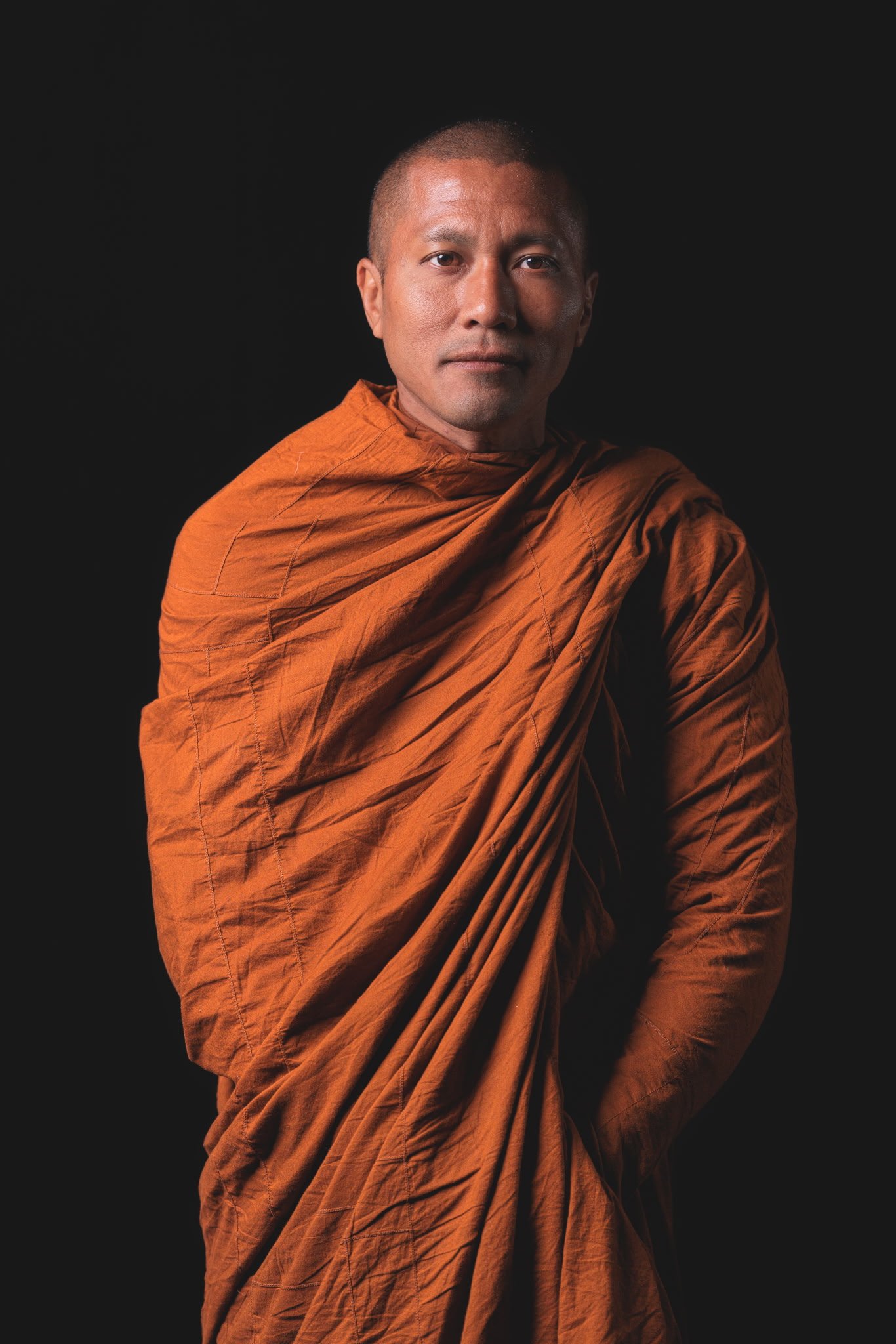
Venerable Pra Dechamnaj – Udon Thani, Thailand
A talented photographer for the Walk for Peace. With gentle insight, he shared: “People think we are the golden flowers, but flowers cannot be golden without the love and support of the people”—a beautiful teaching on interdependence.
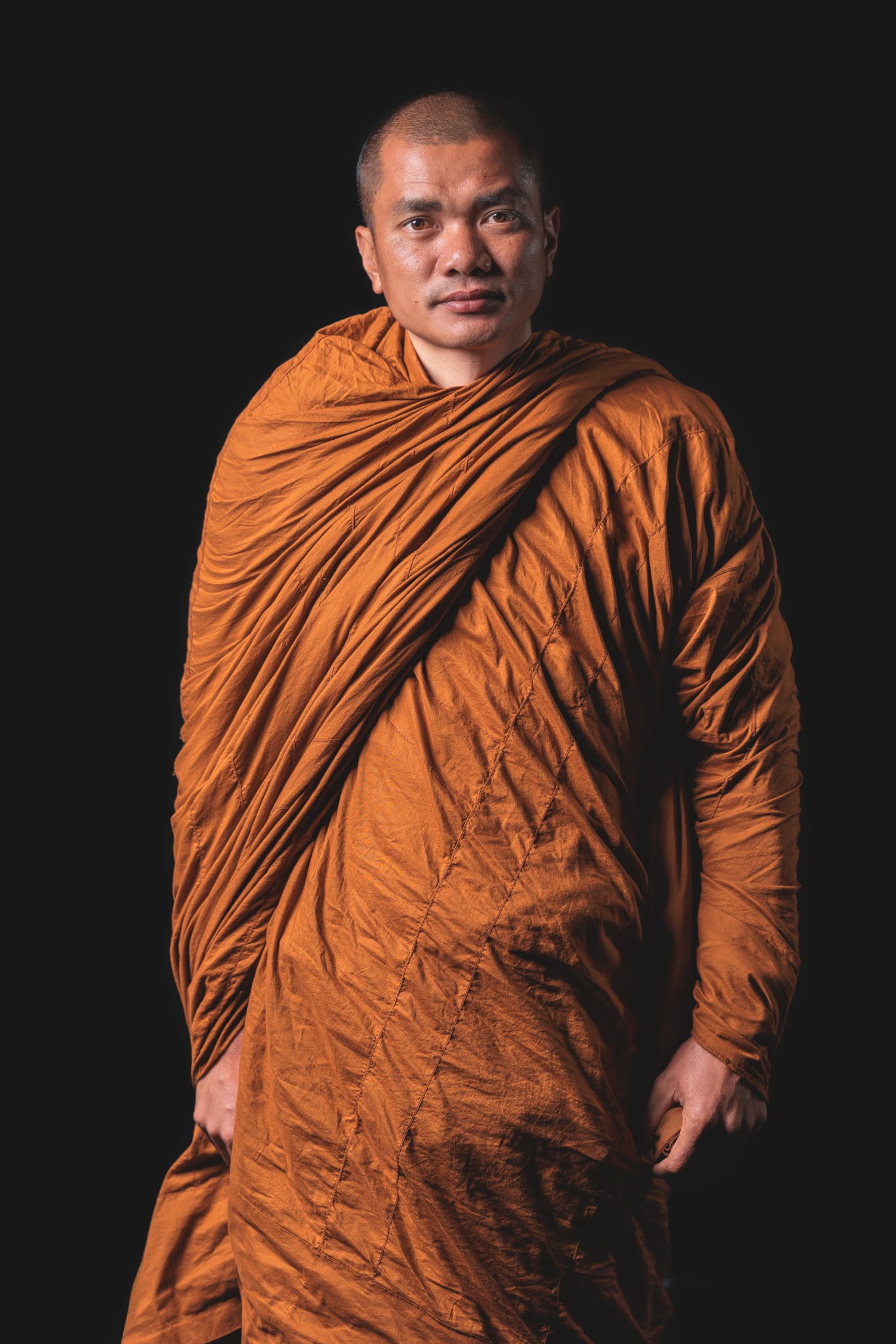
Venerable Pra Tui Chommuang
Like his fellow venerables, he embodies inner strength and resilience.
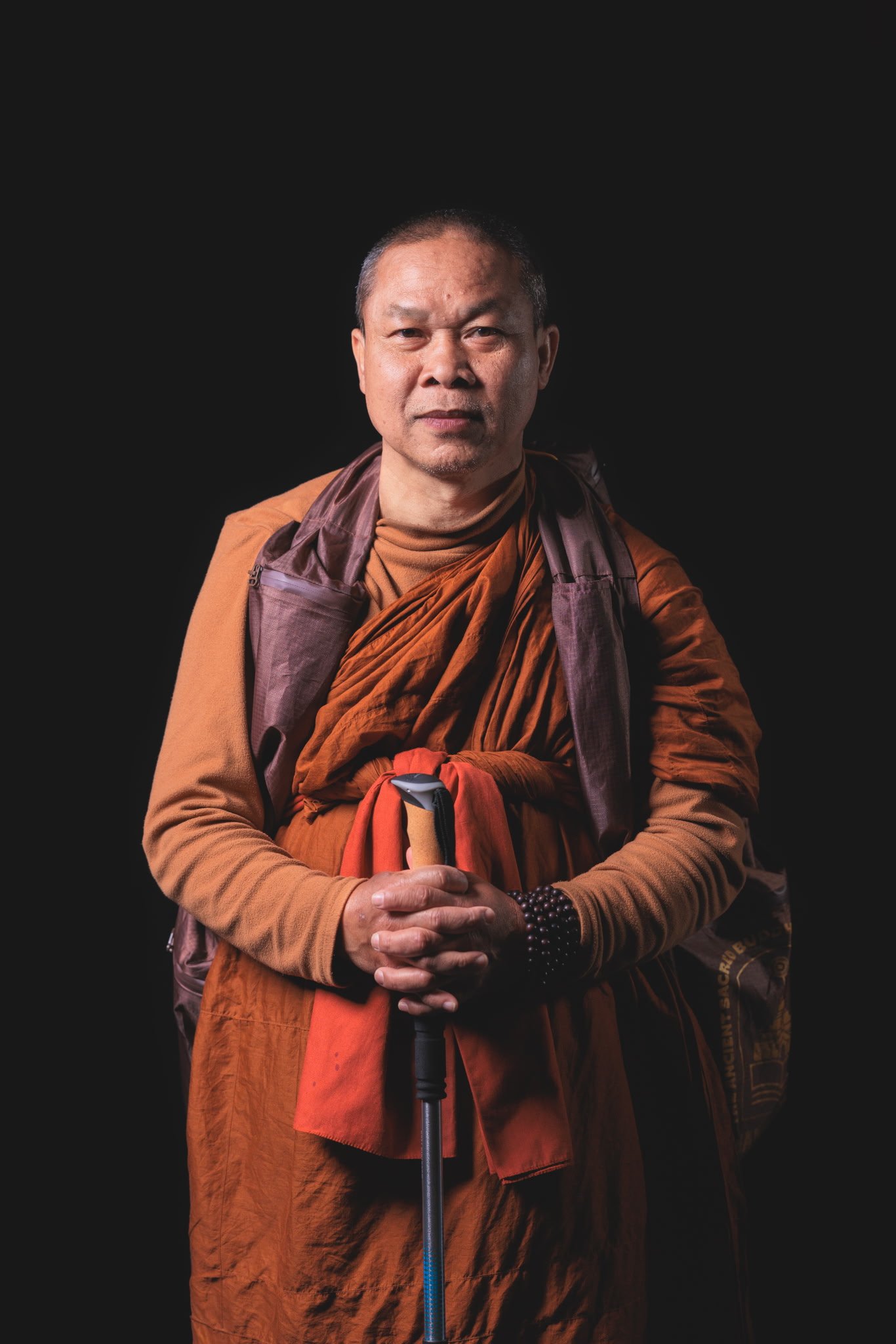
Venerable Pra Ponchai – Nakhon Ratchasima, Thailand
The youngest monk in the Walk for Peace Maha Sangha. If there are two words to describe him, it would be contentment and peace.
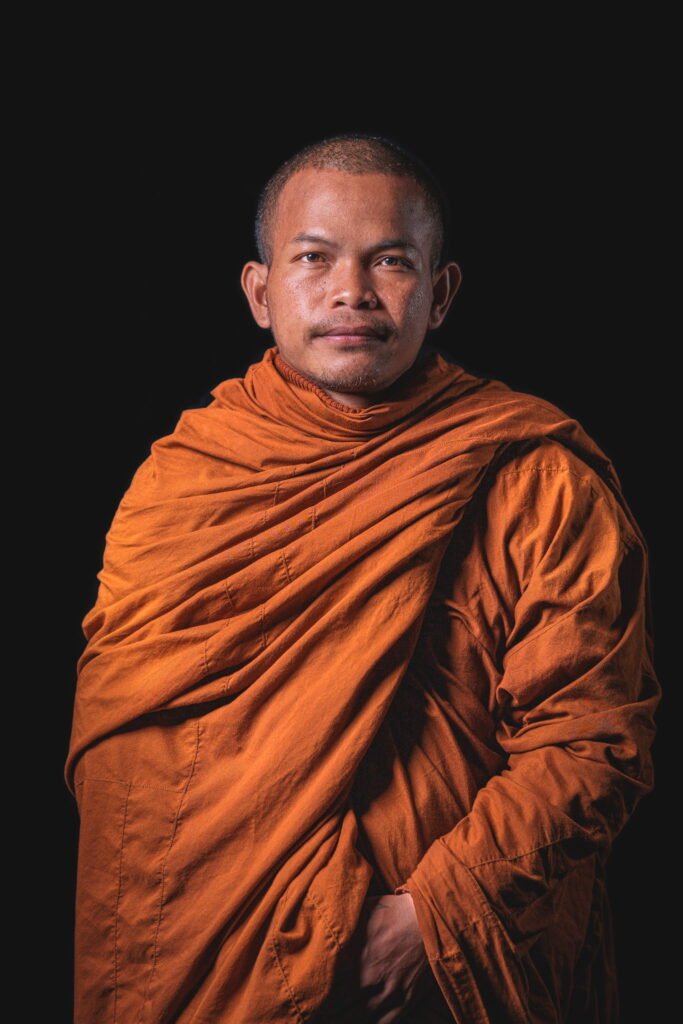
Aloka – our four-legged companion
Brought immense joy and warmth to everyone along the path.
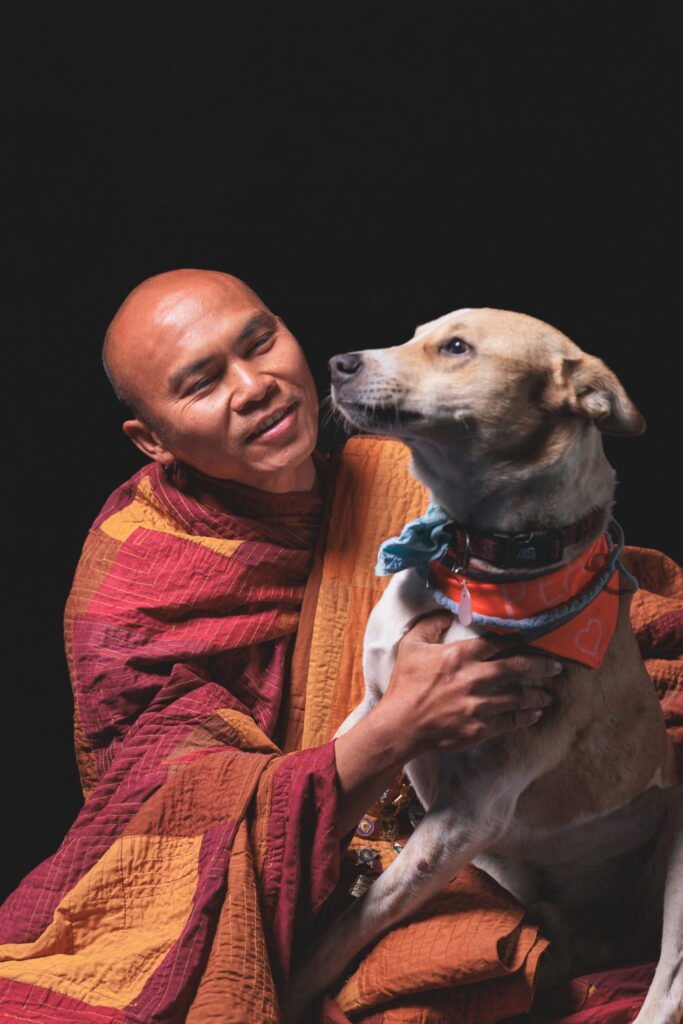
May everything that we all do will be a step closer to the path of liberation and awakening. Wishing everyone joy, harmony, peace, awareness of knowing who we are and who we are not.
With gratitude,
Amanda Bich Van Phan, DDS
Journey Coordinator for The Walk For Peace 2025-2026
November 29- December 13, 2025
Louisiana and Mississippi
USA
Photo Credit: Kevin Blackwell @kevinblackwellphotos

Thank you for all the sacrifices you have given to our Venerable Monks.