The Walk That Found Me
By Andrea Early DeLeon
When I was invited to write about the Walk for Peace during my three-day retreat at the Huong Dao Vipassana Bhavana Center, I felt touched and honored, and I immediately said, “Yes!”
Then I sat down to think about what I wanted to write and realized I had agreed to do something I have struggled to do from the very beginning: put this experience into words. There simply never seem to be words adequate enough to describe what it has meant to me.
I began following the Walk for Peace last January. Like so many others, I was fascinated by the sheer scope of the endeavor: 20 Buddhist monks walking 2,300 miles from Fort Worth, Texas, to Washington, D.C.
My first thought was simply, “Why?”
Then I listened to Venerable Pannakara speak. I listened again. And then I listened to his two talks almost every day for nearly two months. Somewhere along the way, something began to change. I started to see things differently, think about things differently, and imagine, with a sense of hope I had not felt in some time, what actually might be different.
At a time when families, communities, our country, and much of the world seemed overwhelmed by division and turmoil, I found an unexpected glimmer of hope in a group of Buddhist monks walking silently across America.
How in the world could something so simple feel so powerful?
When the monks came through North Carolina, I ventured out onto snow-covered roads and stood for more than two hours in the wind and cold just to see them pass. I stood alone on the side of the road, intending to say only two words: “Thank you.”
But when they passed by, I couldn’t say anything. My eyes filled with tears, and the words simply got stuck in my throat. At first, I felt as though I had lost my opportunity. I had waited all that time and had not even managed to say the two words I had come there to say.
Later, though, I came to understand that moment differently. It did not need to happen the way I had imagined. It was simply my moment. However it had unfolded, I had been a tiny part of something much bigger, something I believed history would remember.
The monks would never remember that moment among the countless people they met along their journey, but I knew I would never forget it.
As it turned out, my connection to the Walk did not end when the monks reached Washington. After the Walk ended, I felt compelled to travel to Huong Dao Temple in Fort Worth for the Vesak celebration—to the place where this extraordinary journey had begun as an idea in the mind of a single monk years before it became a reality.
I had never been to a Buddhist temple. I had absolutely no idea what to expect, but I signed up to volunteer anyway.
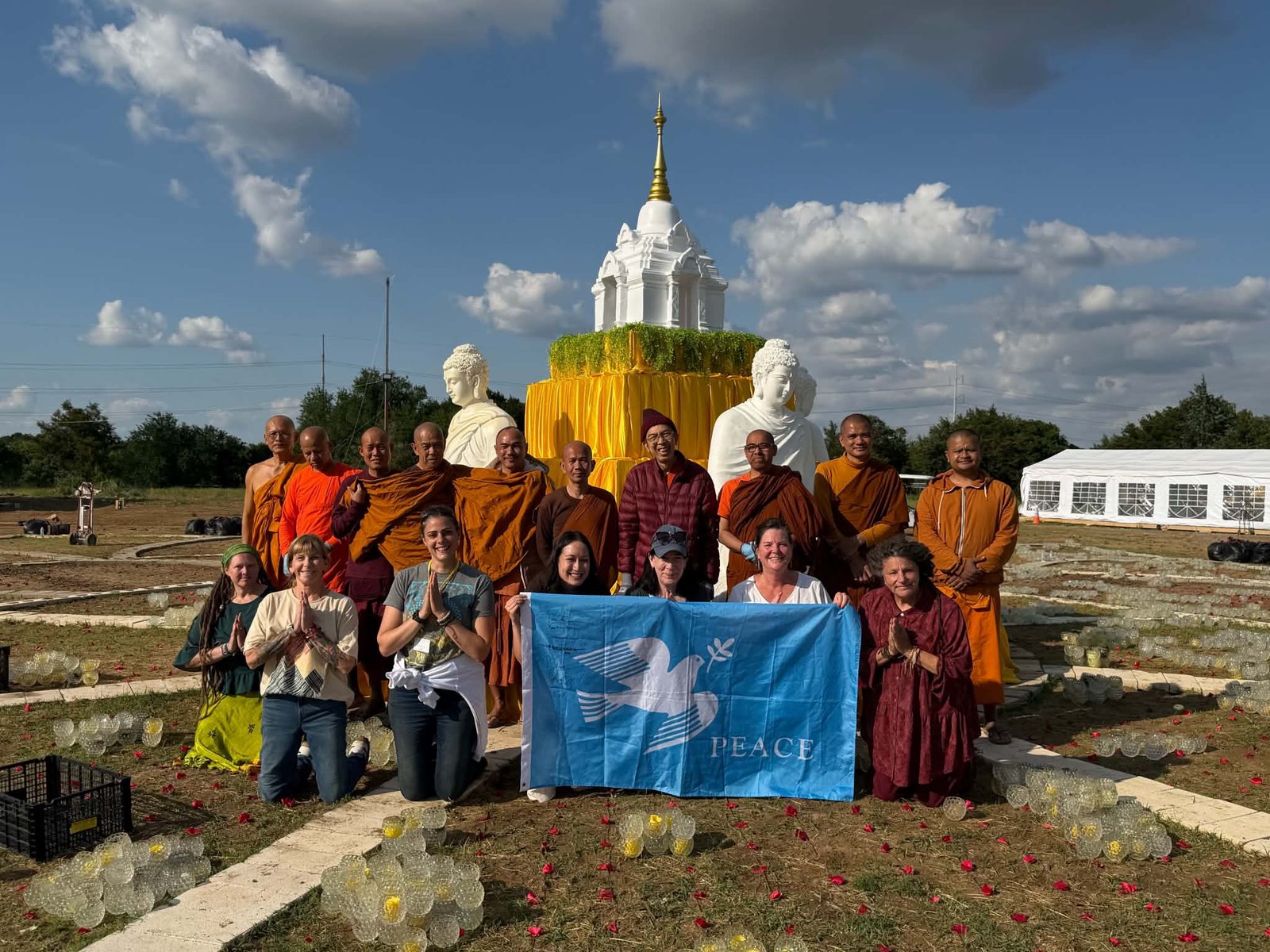
It became one of the most remarkable experiences of my life. There was chanting in many languages, Dhamma talks, the Buddha relics, the beautiful 24,000-candle ceremony, wonderful food, and even more wonderful people.
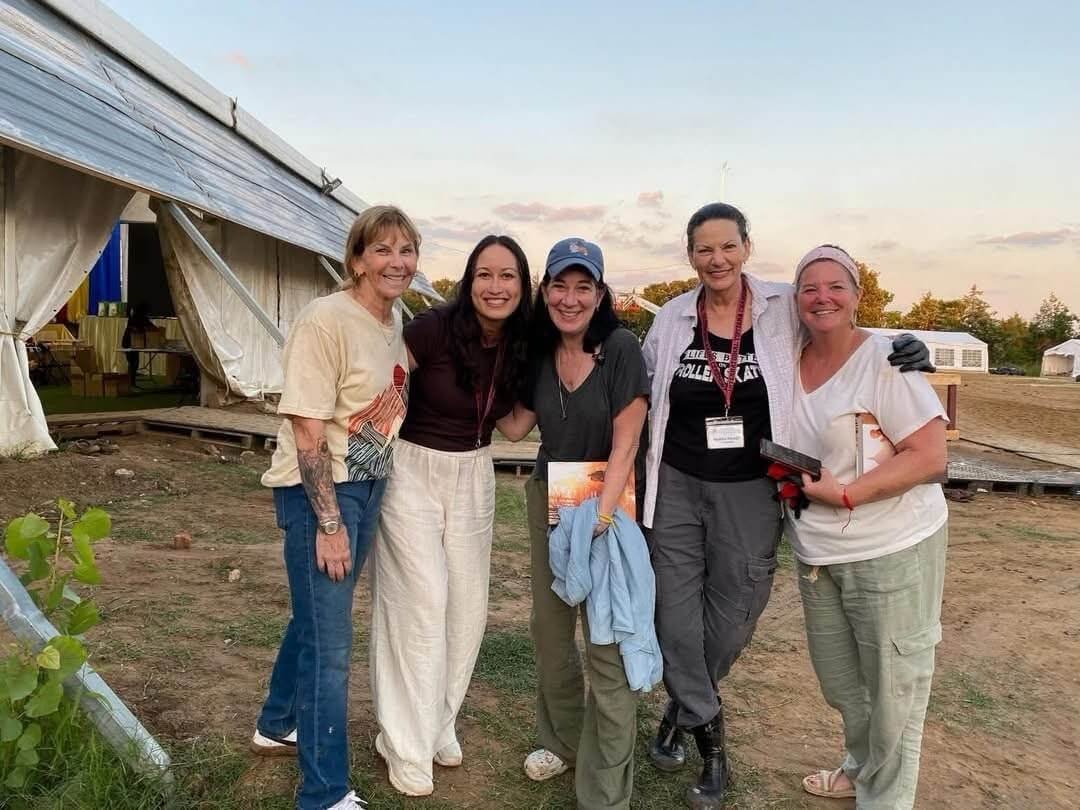
I stayed for two days after Vesak ended to help with cleanup, which gave me the extraordinary opportunity to work side by side with the monks. What surprised me most was how open and approachable they were. And how incredibly funny!
There was wisdom and seriousness, certainly, but also warmth, laughter, and a very human joy I had not expected.
I left Fort Worth knowing that I wanted to continue learning.
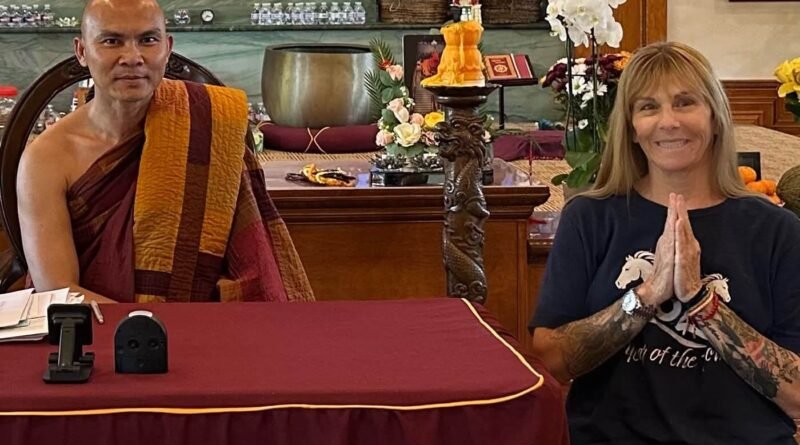
By mid-September, I returned to the temple for a three-day meditation retreat led by Venerable Pannakara. I had been meditating for several months, but I still had plenty of questions and a strong desire to deepen my practice.
The retreat challenged me physically and mentally, but more importantly, it helped reinforce how the teachings I had been studying could become part of my everyday life. The monks often remind us that simply knowing the Dhamma is not enough. Its value comes from putting it into practice.
Learning to pause, observe, and understand rather than simply react has brought less stress and a greater sense of peace into my life. I am learning to worry less about tomorrow and be more present for today. I am also learning to actually experience ordinary moments rather than move through them while my mind is somewhere else.
But becoming more present has also made me aware of how often the past finds its way into the present.
For years, I tried different ways of distancing myself from parts of my past, only to discover that running from something is very different from letting it go.
I am learning that letting go does not mean pretending something never happened or erasing it from memory. It means no longer allowing it to determine how I experience today.
I am not there yet. But for the first time, I feel I may have found a path that does not require me to outrun the past. Instead, these teachings are helping me understand it, make peace with it, and perhaps, one day, finally let it go.
And not all of these lessons have come from meditation or Dhamma talks. Some of the most meaningful have come simply from watching how others live.
During the retreat, even while grieving the loss of a longtime member of their community, everyone at the temple continued to care for us with extraordinary kindness. They were welcoming, patient, encouraging, and generous.
We often hear the words loving-kindness and compassion. It is something altogether different to witness people quietly embody them.
The following week, my journey continued to Washington, D.C., where I heard Venerable Pannakara speak at the Buddha Meditation Center in Rockville, Maryland, and attended Meditation with the Monks on the National Mall.
Once again, I volunteered alongside friends I had made along the way.
I am certainly not a meditation expert, but I am learning, and little by little, day by day, the practice gets better.
And now, as I try to bring this story to a close, I find myself exactly where I began: at a loss for words.
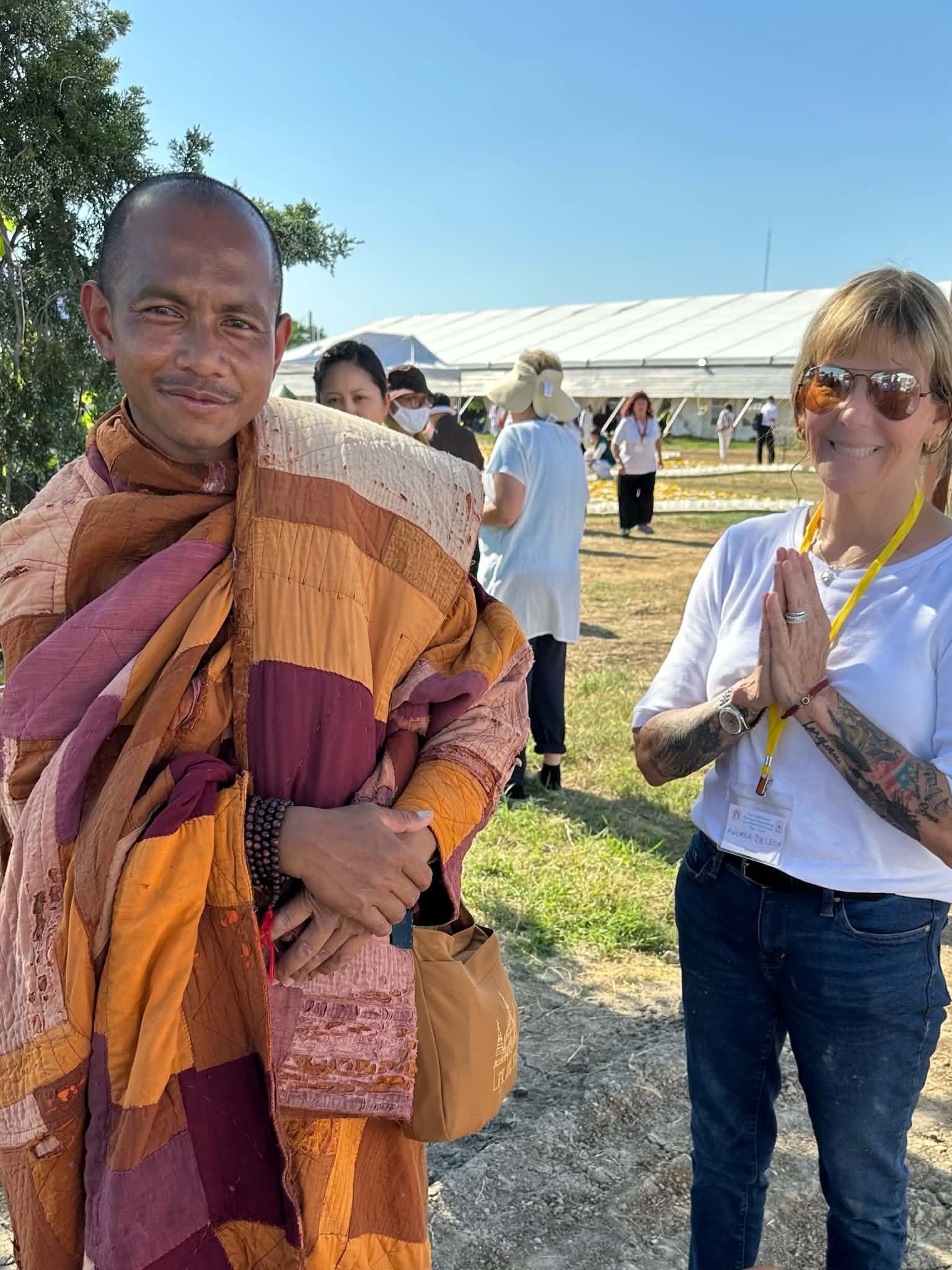
How do I adequately thank the Walk for Peace team, the lay devotees, the volunteers, the friends I have made along this journey, and all of the Venerable Monks? How do I explain the changes in my thoughts, my speech, my actions, and, quite frankly, my life since that cold, snowy day beside a road in North Carolina?
Perhaps I cannot. And perhaps I don’t need to.
I went to that roadside hoping for the opportunity to say two simple words, and when the moment came, I could not speak them.
So maybe this is my opportunity now.
Thank you.
Thank you for walking 2,300 miles to remind us that peace does not have to be an abstract idea. It can begin quietly with one person and one step.
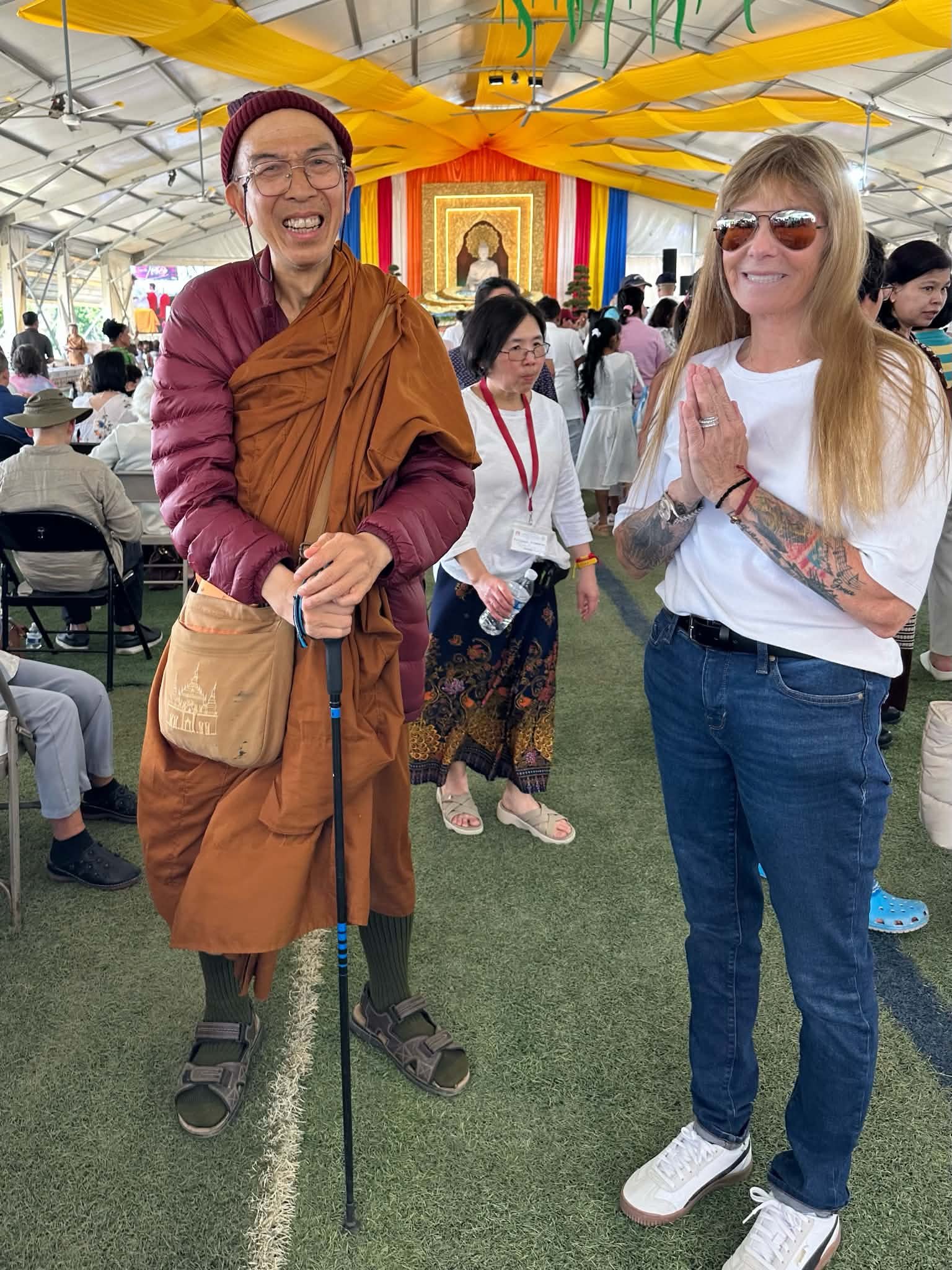
The Walk for Peace eventually reached Washington, D.C., but in many ways, I believe its real destination was never a place on a map. Its destination was people.
I know that because it reached me.
And perhaps the best way I can express my gratitude is not simply with words, but by continuing to walk—not 2,300 miles across America, but along the path this journey opened before me toward greater mindfulness, compassion, loving-kindness, and peace.
One step, one teaching, and one present moment at a time.