The Walk That Led Me Inward
By Sheila Ryan
When I became aware of the Walk for Peace in the autumn of 2025, I saw myself as someone who had healed from significant trauma—a deeply troubled childhood, betrayal, loss, and profound emotional pain. I was functioning at a high level in my personal life and at work, where I was regarded as the person who kept the proverbial wheels from falling off. Everyone I encountered received my warm smile and assumed it reflected inner calm and confidence.
The truth was that I was like a swan serenely gliding across the water while her webbed feet paddled furiously beneath the surface. I was quietly anxious, troubled by flashbacks and disturbing memories, worrying about a future that could not be predicted with certainty, and wondering how I would shield myself from further pain, which I was sure would come.
One evening, while browsing online, I came across images of Buddhist monks gathered around a hospital bed, chanting and praying for the recovery of a fellow monk who had been severely injured in an accident. I looked into the story further and, like many others in this country and eventually around the world, became a devoted follower of the Walk for Peace.
I watched as people waited for the venerable monks along roadsides in all kinds of weather. Families brought small children. People in wheelchairs, on crutches, and using oxygen machines came to greet them. People offered water, food, and flowers, while others held signs expressing their gratitude for the monks’ monumental effort. Some were overcome with emotion and wept.
As I witnessed these scenes, I faced a truth I had been avoiding: my healing was superficial. Despite years of professional counseling, the compassion of good friends, and the spiritual traditions I had studied diligently, my peace existed only on the surface. I was like a house that had been painted and landscaped beautifully while concealing an interior that still needed major work.
So, what was different about the Walk for Peace? What was it about this group of remarkable teachers and their extraordinary leader that finally reached me—and, I believe, so many others?
Suddenly, thousands of people looked forward each day to Bhante Pannakara’s peace-sharing talks, his playful sense of humor, his wisdom, and his persistent message: “You are the only one who can mess up your day.”
We felt as though we came to know the monks individually. We noticed their different personalities and found ourselves relating to those who were overcome with emotion when they met them. As the conclusion of the Walk drew near, we began to grieve. We did not want the experience to end.
But it did not end. As Bhante Pannakara repeatedly reminded us, it was only the beginning.
The journey turned inward, where peace was waiting, but there was—and remains—a great deal of work to do. I immersed myself in the study of Theravāda Buddhism and took a good, hard look at habits that seemed to provide relief but were, in reality, merely distractions. Gradually, I began to find a way to accept the facts of my life with equanimity and forgiveness, along with a determination to move forward.
I also began to understand that I could not predict everything the future might bring. What will come, will come. I am learning to live in the present moment, recognizing that this moment is what I have. The past cannot be changed, and the future cannot be known with certainty.
Moving from knowing to realizing is not magical. Nor does it mean that every day will be free from frustration, disappointment, or regret. Those feelings may still arise, but I am learning that they do not have to define my day or determine how I respond. And, eventually, they pass.
I try not to indulge in wishing I had gained this insight earlier. Instead, I sometimes wonder whether the timing of the Walk was part of what made it so meaningful. At a time when so many people seemed overwhelmed by conflict, confusion, and uncertainty, the Walk offered a message of peace and invited us to look inward. It encouraged us to consider how we might respond differently to the difficulties we face, both individually and collectively.
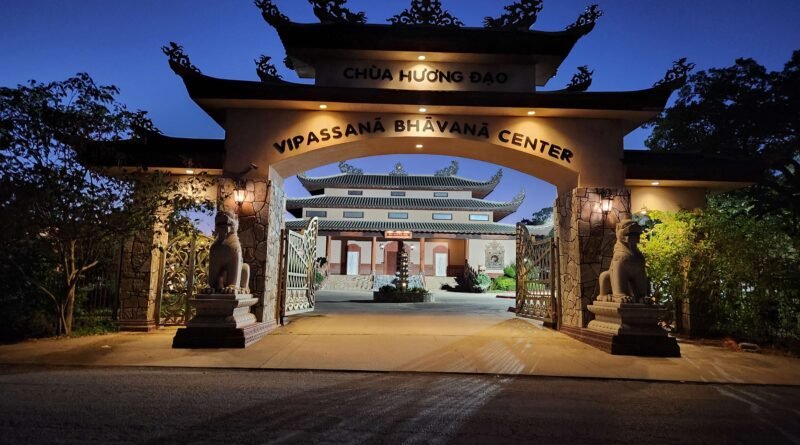
A recent visit to Chùa Hương Đạo for a three-day meditation retreat deepened my sense of gratitude. It reminded me of the profound changes the Walk for Peace has brought to my way of thinking and to my life. I am grateful for the opportunity to study, learn, and grow in ways I could not have imagined a year ago.
Bhante Pannakara and the venerable monks have done all they could to show us the way forward. Those of us who love them and welcome them into our hearts and minds have a responsibility to honor them by following through—by doing the work, one smile, one kind action, and one forgiving thought at a time.
Bhante Pannakara stood in the rain and vowed that he would not leave us if we did not leave him. We stand with him when we take his words to heart and live by them with determination and humility, for as long as we are gifted with this life.