
Why the Walk for Peace in the United States Became a Global Success
Dr. Sudha Manandhar

In the Nidānakathā (“Avidūre Nidāna”) of the Tipiṭaka Aṭṭhakathā (Jātaka Aṭṭhakathā) composed by (Bhadantācariya) Buddhaghosa, it is explained that before the Buddha arises in this world, the gods of Tushitpur (Tusita Devaloka) contemplate the Five Great Considerations (Pañcamahāvilokana). These five considerations are: the proper time, continent (island), country, clan and the age of the mother-to-be. Only when these five conditions are perfectly fulfilled does the Bodhisattva descend into the mother’s womb and take conception (Paṭisandhi). If such vast conditions must come together even for the appearance of the Buddha, then for ordinary people, the success of any undertaking likewise depends greatly upon having the right purpose, the right time, and the right place.
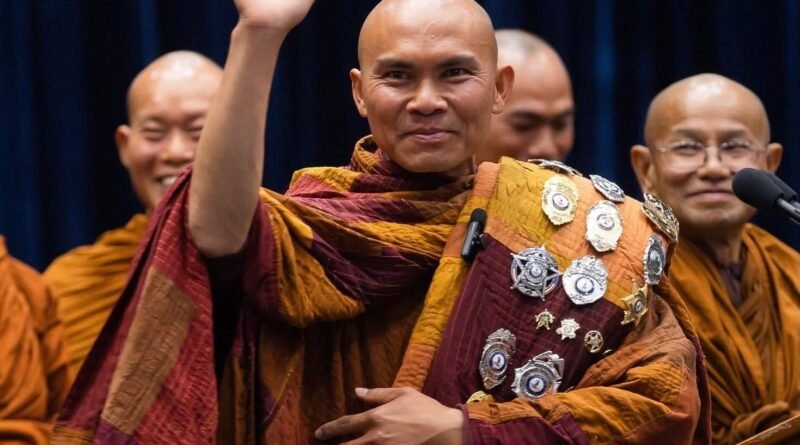
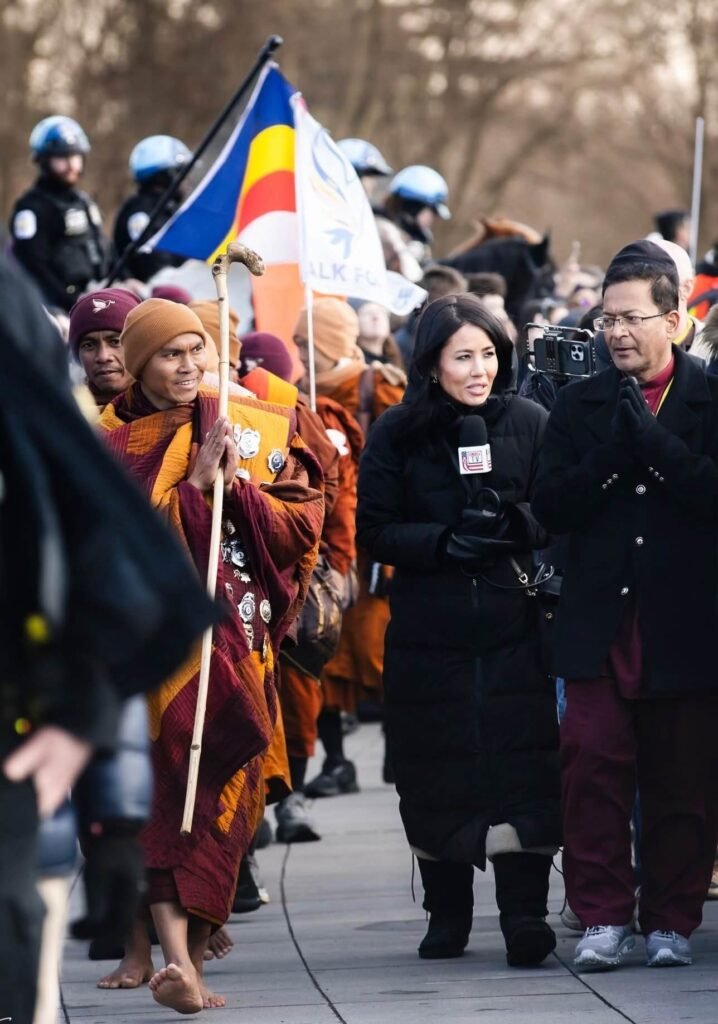
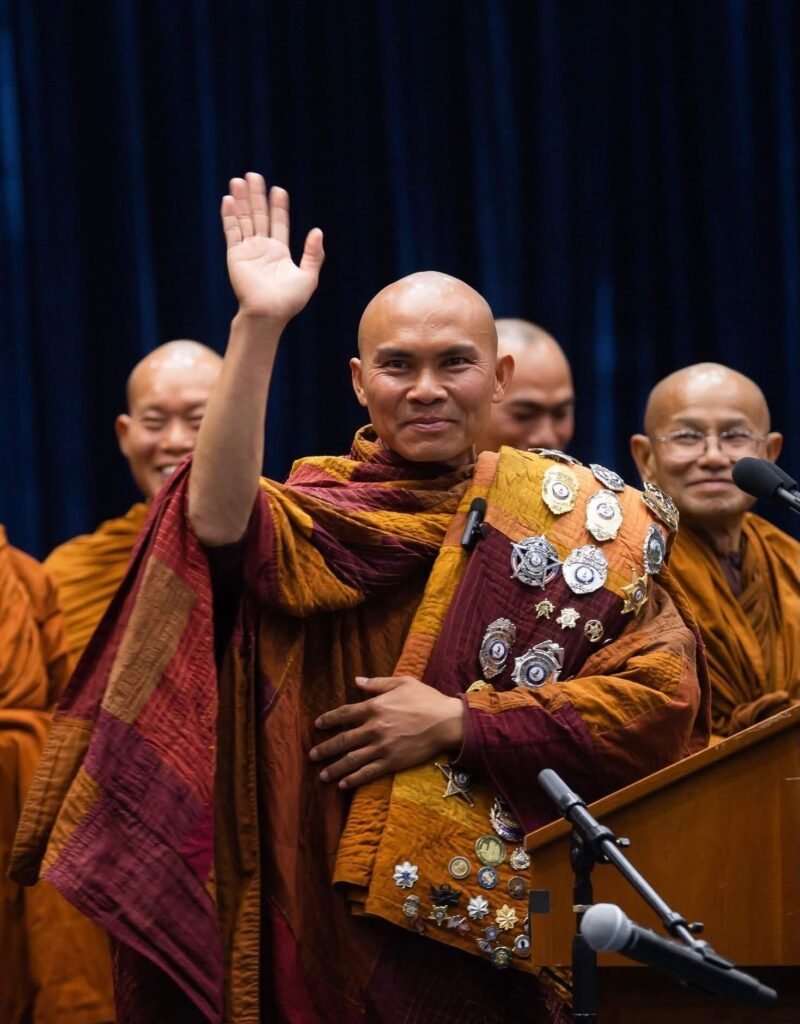
The Walk for Peace in the United States, led by Bhikkhu Paññākāra became a remarkable example of this principle in action. More than a practical effort to promote peace, compassion, and non-violence in, the journey evolved into a historic pilgrimage. Rising above divisions of race, religion, and political ideology, this unparalleled undertaking carried a universal message of loving-kindness, compassion and human unity, while also introducing a new dimension to the traditional wandering practice (cārika) of the Buddhist monks.
Throughout the peace walk, communities from many faith traditions warmly welcomed the monks into churches, temples and other sacred spaces. In every state the monks passed through, people greeted them with flowers and respect, without discriminating based on caste, class, color, or community. Christians, Muslims, Hindus, Jews, Jains and followers of many other faiths also joined in offering alms (Bhojanadāna) to the monks, reflecting a rare spirit of harmony and shared humanity.
The monks were accompanied by Aloka, who later came to be recognized as a symbol of peace. With the exception of few days due to health-related conditions, Aloka walked alongside the monks throughout the entire 110-day journey. His intelligence, gentle harmony and calm nature won the hearts of millions of people. Now honored with the title ‘Peace Ambassador,’ Aloka has become a beloved companion and sojourner admired around the world. Many have even expressed the view that Aloka deserves consideration for the 2026 Nobel Prize. More than simply a participant in the Walk for Peace, Aloka emerged as a symbol of strength, love, hope, inspiration, and peace—demonstrating that peace is not something complicated, but something simple, pure, and deeply rooted in love.
Resonating each day with the words of Bhikkhu Paññākāra’s– Today is going to be my peaceful day – the Walk for Peace journey has earned global recognition and admiration. Following the overwhelming support and respect received during the peace walk across the United States, many countries around the world invited Bhikkhu Pannakara’s team to organize similar walk in their own nations. Continuing this global mission for peace, Bhikkhu Paññākāra’s team walked in Sri Lanka between April 21–28, 2026. During the Sri Lanka journey, members of the Muslim community warmly joined in welcoming the Buddhist monks, offering support and hospitality along the route. Their participation reflected the same spirit of interfaith harmony and mutual respect that had become a defining characteristic of the Walk for Peace movement.
This Walk for Peace initiative, envisioned and initiated through the foresight of Bhikkhu Paññākāra, seeks to help people realize that the true seed of peace begins within oneself. More than a symbolic journey, the movement has become a living message that inner transformation is the foundation for harmony in society.
The Right Purpose
Throughout human history, political, social, and religious conflicts have led to violence and cruelty. No matter how great a victory may seem, conflict is inherently destructive—it destroys wealth, lives, and societies.
After his first rains residence (Vassāvāsa), Buddha exhorted the first sixty arahants to wander for the welfare and happiness of the many, out of compassion for all beings in the world: “Caratha, bhikkhave, cārikaṃ bahujanahitāya bahujanasukhāya lokānukampāya”. This sentence, preserved in the Mahāvagga of the Vinaya Piṭaka, reflects Buddha’s vision of compassionate engagement with society through the practice of Dhamma wandering (dhammacārika). The purpose of such a spiritual journey is to spread the message of peace, unity, compassion, and loving-kindness among all sentient beings. Especially within the Theravāda tradition, monks have continued this ancient practice in accordance with the Buddha’s teachings, preserving the discipline of Dhamma wandering while carrying out wholesome deeds for the sustenance and perpetuation of the Buddha’s dispensation (Buddhasāsana).
In the same spirit, the Walk for Peace led by Bhikkhu Paññākāra was guided by one clear and singular purpose: to illuminate awareness of love, compassion, peace, and unity through the silent and peaceful act of walking.
Wherever the Walk for Peace monks paused to rest, they devoted their time to praying for world peace, harmony, and unity. They meditated, shared merits with all beings, and encouraged the cultivation of compassion and goodwill. Whenever they encountered sick or disabled individuals along the journey, the monks compassionately stopped to chant protective suttas associated with healing and well-being, recited sacred discourses, offered blessings, and tied protective blessing threads. Through these acts of kindness and spiritual care, the peace walk became not only a physical journey, but also a living expression of compassion in action.
The Right Time
Today, many countries around the world are again experiencing political conflict, anger, and division. People everywhere, including in the United States, are facing anxiety, dissatisfaction, and uncertainty, while longing for peace, and hope for a stable future. At such a time, the Walk for Peace initiated by Bhikkhu Paññākāra emerged as a deeply timely and meaningful movement.
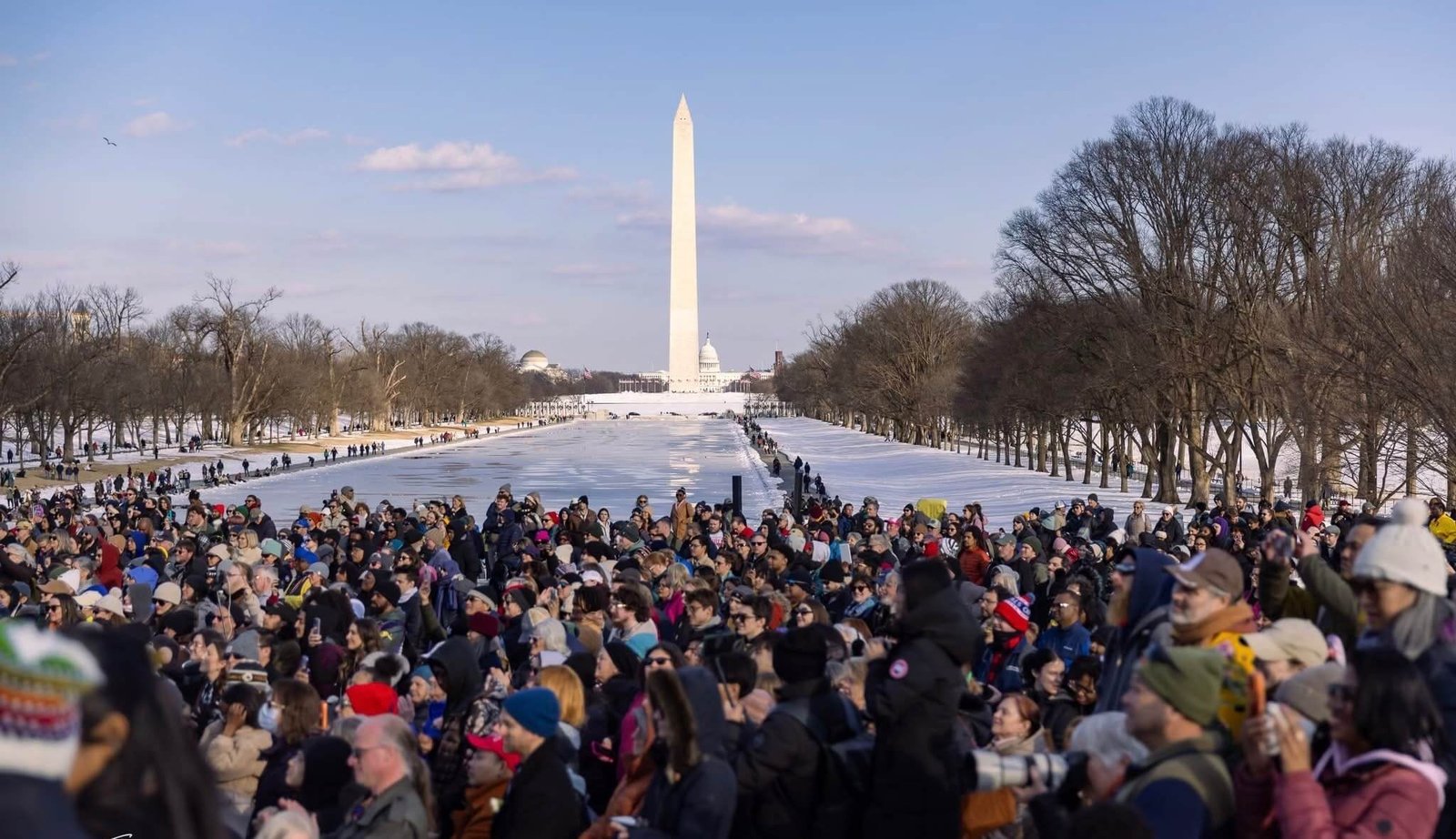
Throughout the Walk for Peace journey, thousands gathered to welcome the monks, many waiting hours simply to witness the peaceful procession. On the 77th day, thousands joined the monks for a 2.3-mile walk across Gervais Bridge in South Carolina, expressing their deep desire for peace. The final ceremony at the Lincoln Memorial drew more than 30,000 people united in mindfulness, healing, and peace. At this historic site—where Martin Luther King Jr. delivered his famous “I Have a Dream” speech in 1963—Bhikkhu Paññākāra shared a message of mindfulness, compassion, and inner peace with thousands gathered before him.
People were deeply moved not only by the teachings, but also by the conduct of the monks themselves: their calmness, fearlessness, gentle expressions, and unwavering determination despite harsh weather and difficulties. Even after a tragic road accident in which Phra Ājarn Mahā Dāma Phommasāna lost a leg, the monks responded without anger or hatred, demonstrating compassion and forgiveness. Their peaceful response to criticism and negativity revealed the true spirit and silent strength behind the Walk for Peace.
Right Place
A question may arise: would the Walk for Peace have received the same global recognition if it had taken place outside the United States?
In fact, Bhikkhu Paññākāra participated in a similar peace walk in India and Nepal in 2022 with several monks from the same group. Although meaningful, it received little international attention. Had the recent walk again taken place in Nepal or India, it might likewise have remained largely unnoticed. In predominantly Buddhist countries such as Thailand, Laos, Myanmar, Cambodia, or Vietnam, such a journey may have been appreciated, but it would not have carried the same global impact.
The United States, however, remains a center of global communication, media, and digital influence. As a result, the Walk for Peace spread rapidly across the world within days. In today’s digital era, reach itself reflects impact: the Walk for Peace platform now has more than 3 million followers, while “Aloka – Peace Dog” has over 1.1 million.
At a time when division and conflict dominate global attention, this peaceful journey stood out as a rare message of compassion, healing, and unity. By embodying the values of Buddha, Dhamma, and Saṅgha, the Walk for Peace became not only a Buddhist pilgrimage, but also a timely global movement for humanity. Had it taken place elsewhere, it is unlikely it would have received such worldwide recognition, respect, and appreciation.


This article gave me a great retrospect on the impact the walk has and can continue to do. We as Citizens and individuals can carry this message to Greater Heights keep it circulating as the monks continue to embody the enlightenment of who we can be
As they say, the universe has aligned. It is definitely the right place and time. Thank you for sharing.
Thank you Sudha, for such a wonderful and insightful article. I found it very eye-opening.
The cultivated peace that this man and these venerable monks carry in their hearts is so strong that it is radiating around the world and indeed into my own heart. Sadhu Sadhu Sadhu❤️🐾☮️